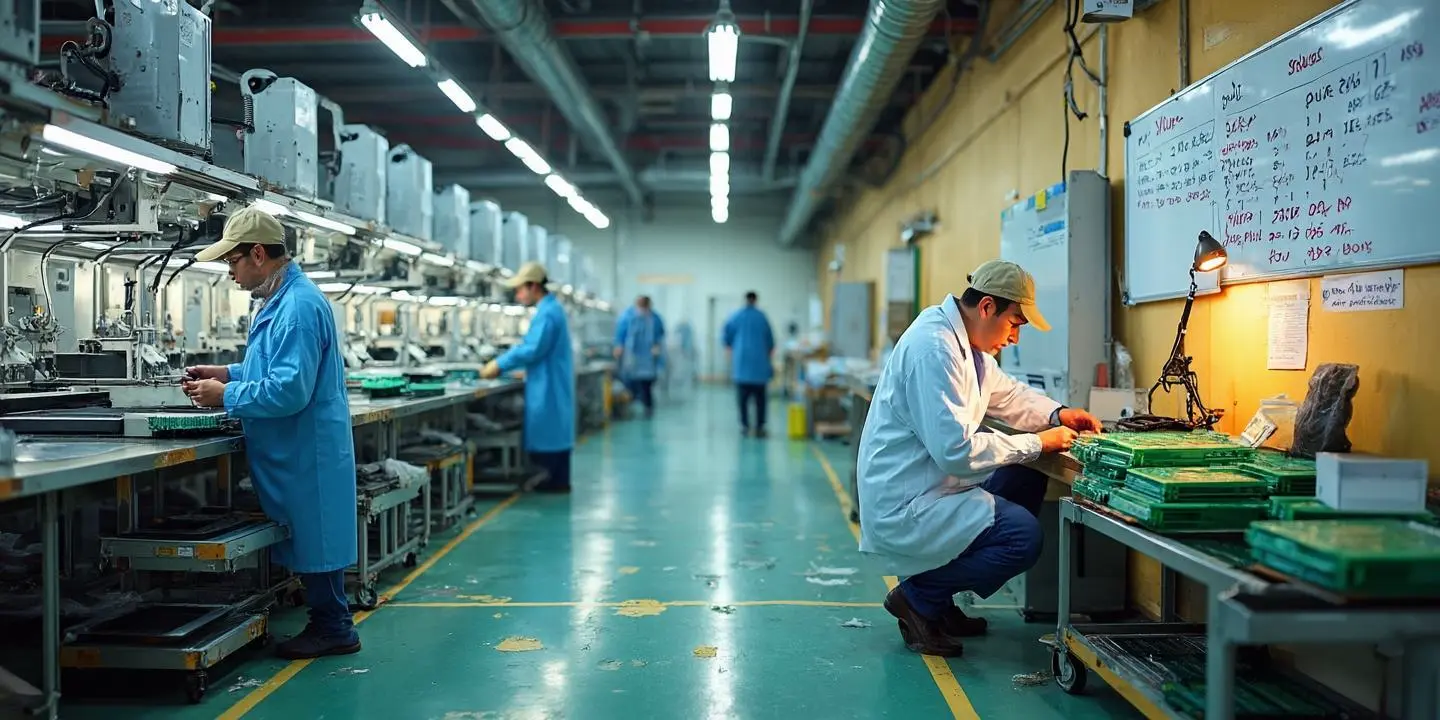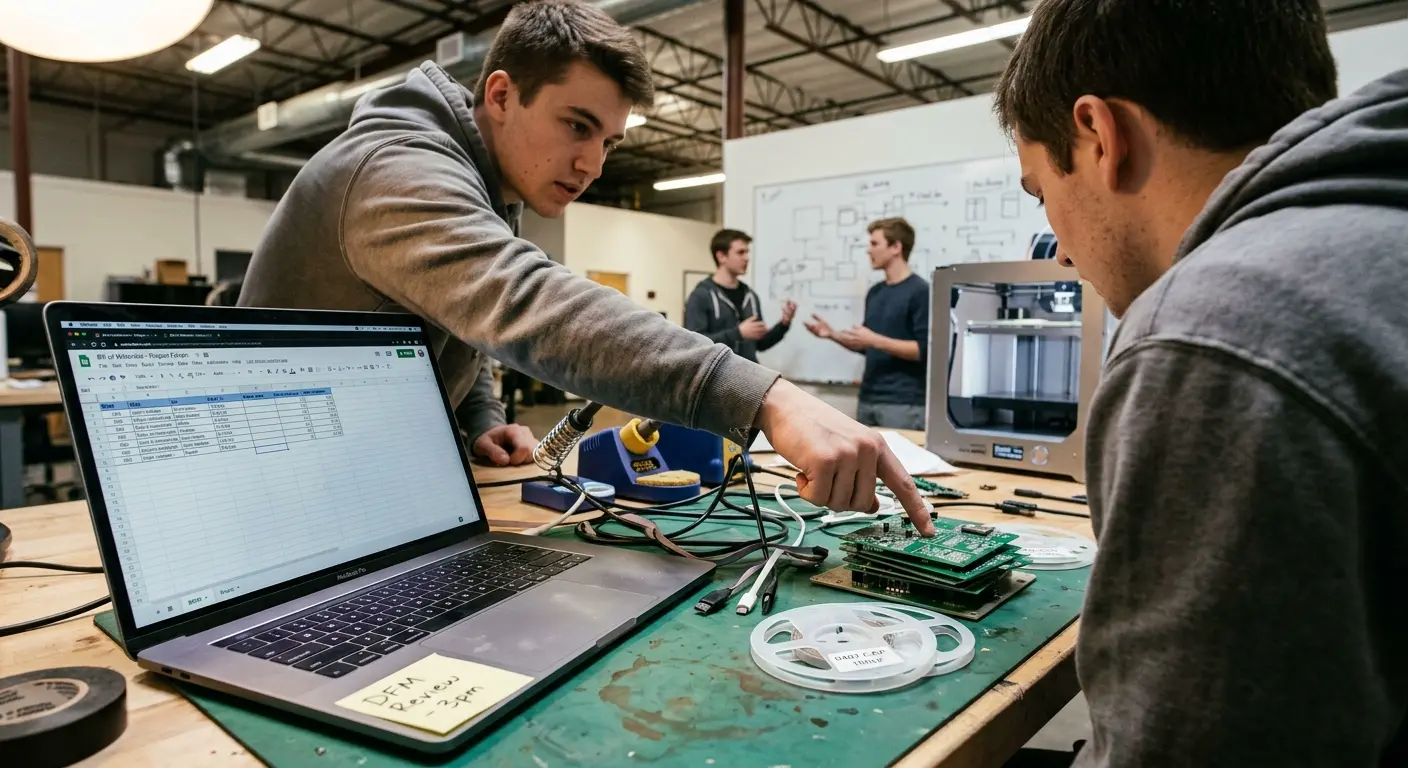
Hardware accelerators including HAX, Lemnos Lab, and Rev: Ithaca Startup Works are reshaping their 2026 cohort criteria to prioritize startups that arrive with manufacturing partners already lined up. The shift marks a fundamental change in how accelerator programs evaluate hardware ventures — moving beyond prototype demos to demand evidence of production readiness and supply chain strategy.
📋 Key Details
- 114+ hardware startups funded by YC in 2026: Y Combinator's current batch includes a record number of hardware companies, with Sam Altman's recent $2M OpenAI token offer further amplifying the hardware startup ecosystem.
- 30%+ growth in hardware accelerator programs: Programs like HAX, Lemnos Lab, and Rev: Ithaca are expanding cohort sizes and adding manufacturing-readiness milestones to their curricula.
- EMS partnerships as a selection differentiator: Accelerators now explicitly evaluate whether founders have secured NPI engineering support and DFM reviews before accepting them into cohorts.
- DFM-complete designs as the new baseline: Concept-stage hardware is no longer sufficient — accelerators want to see gerber files, BOM cost estimates, and design-for-manufacturing analysis before demo day.
🔧 Manufacturing-First Selection
Accelerator programs are adding manufacturing due diligence to their application process. Startups with EMS partnerships already in place report 40% faster acceptance rates and receive higher initial funding offers from demo day investors.
📊 Supply Chain as Strategy
Founders who bring supply chain clarity — component sourcing, tariff-optimized assembly locations, and tested rapid prototyping pipelines — are outperforming peers who treat manufacturing as a post-funding problem.
⚡ Speed-to-Production Advantage
Accelerator timelines compress 18-month development into 6 months. Startups with pre-negotiated no-MOQ prototyping agreements can iterate 3x faster during the program and show working production-intent units at demo day.
🌍 Global Manufacturing Access
Top accelerators now recommend founders establish relationships with EMS partners offering multi-region manufacturing to mitigate tariff exposure and supply chain disruptions — a lesson learned from the 2024–2025 component shortage cycle.
✅ Pre-Accelerator DFM Reviews
Founders completing DFM analysis before applying report smoother accelerator journeys and stronger mentor engagement.
✅ 72-Hour Prototype Cycles
Rapid iteration during accelerator programs requires EMS partners who can turn around prototypes in days, not weeks.
✅ No MOQ for Early Runs
Eliminating minimum order quantities lets startups test market fit without committing to production volumes prematurely.
✅ BOM Cost Visibility
Investors at demo day want to see unit economics. Startups with detailed BOM cost breakdowns from their EMS partner raise 25% more on average.
✅ NPI Support from Day One
New product introduction engineering integrated into the accelerator timeline prevents costly redesign cycles between prototype and production.
✅ Tariff-Optimized Assembly
Free trade zone manufacturing in Southeast Asia delivers 15–25% cost savings critical for price-sensitive hardware startups.
— Ethan Yip, CTO at Illuminious"We've seen a clear shift — the hardware startups that succeed in accelerators are the ones who show up with a manufacturing partner, not just a prototype. Manufacturing readiness is no longer optional; it's the price of admission."
Manufacturing Readiness Is the New Hardware Moat
As hardware accelerator programs grow 30%+ year-over-year and YC backs record numbers of hardware companies, the competitive advantage has shifted from concept to execution. Startups that arrive at accelerators with EMS partnerships, DFM-complete designs, and supply chain strategies are the ones securing follow-on funding and shipping product on schedule.
Illuminious Startup Bridge Program provides No MOQ, 72-hour prototypes, and NPI support from day one — designed specifically for accelerator-bound hardware startups.