Inside the factory, station by station
Engineered in San Francisco. Prototype builds, DFM and mass production in our own factory in Shenzhen. Walk the eight stations a product passes through, from the first prototype board to a packed unit.
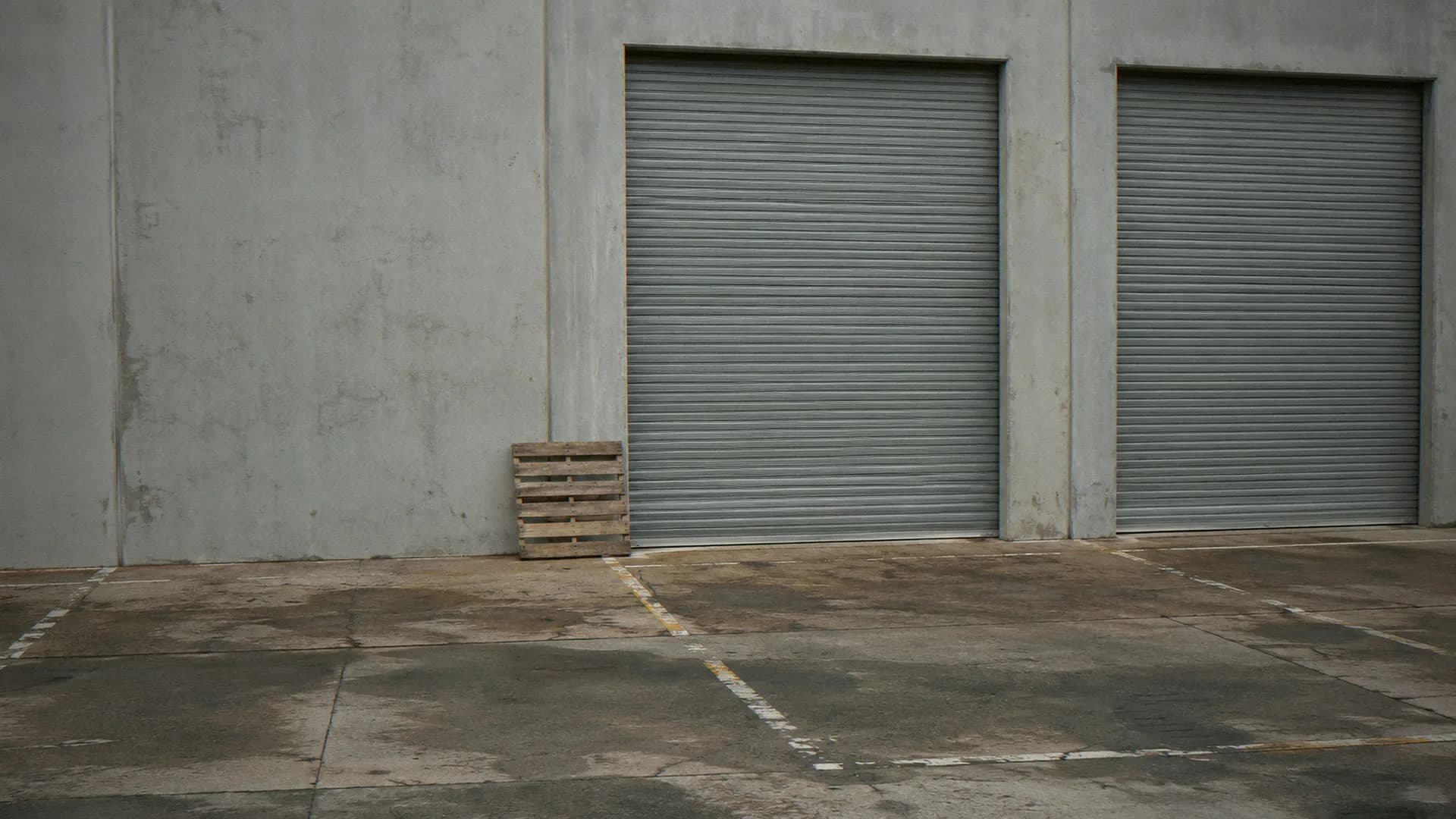
Why does it matter who owns the factory?
Because the engineers who draw your schematic stay on the project when it moves to the Shenzhen factory. They work next to the lines, attend the EVT, DVT and PVT builds in person, and build from the same files. Nothing is handed to a new supplier between the demo build and production.
The same ownership covers your tooling. Molds, fixtures and test stations you pay for belong to you, and you may move them to another factory.
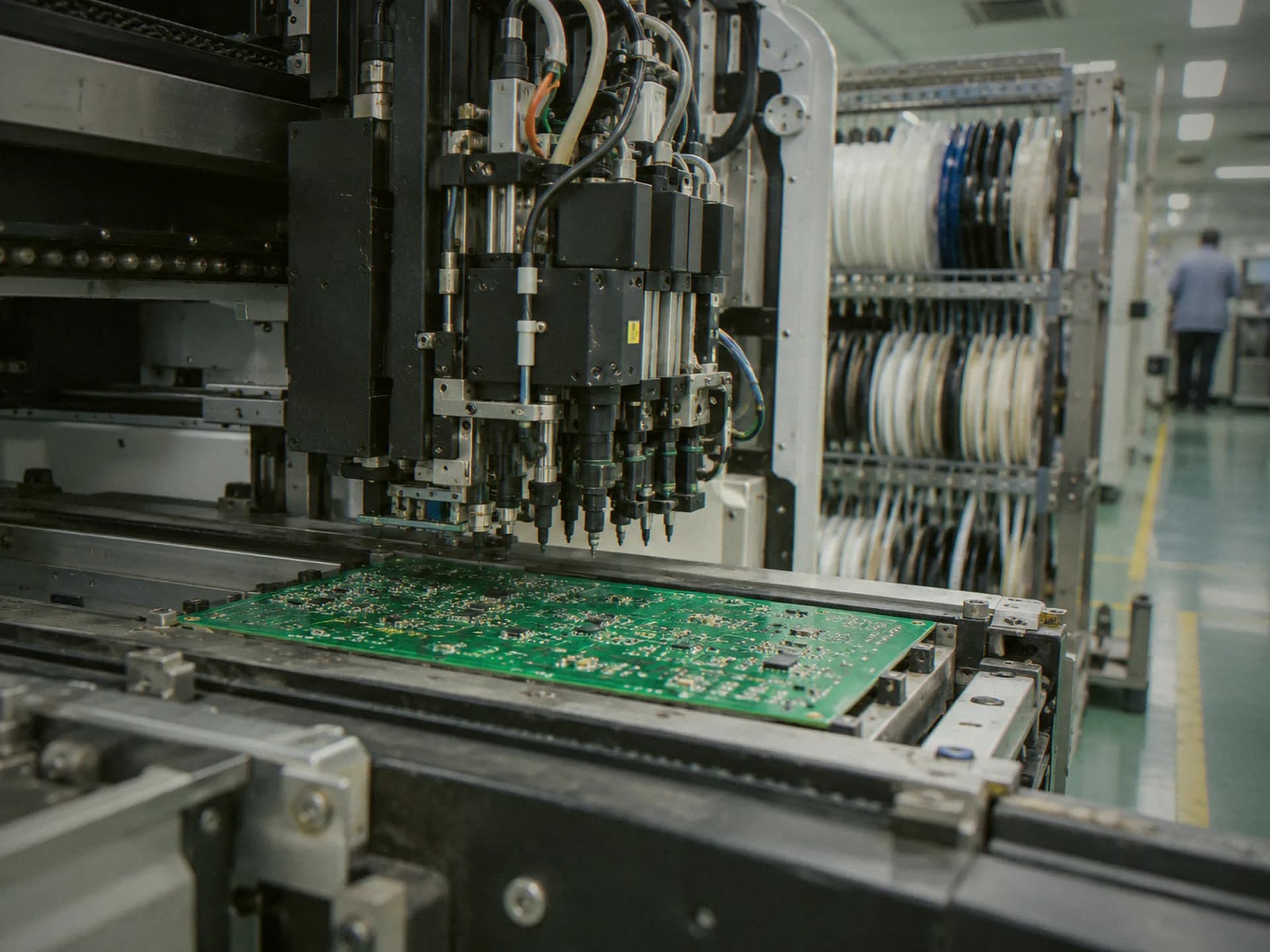
Station 1: SMT production line
The SMT floor places and solders parts onto your boards. Each line runs paste printing, placement, reflow and inspection in one flow. The same lines handle a short prototype run and a production batch with the same process settings, so what you learn on early builds holds in volume. The floor has 8 automated SMT lines with automated changeover, and the high-speed lines place up to 150,000 components per hour, down to 01005 parts. 3D solder paste inspection checks every board before a part is placed, so a paste defect is found while it costs little to fix. Nitrogen-capable reflow ovens run a thermal profile set for each assembly. Every reel is scanned at the line, so each board carries a full parts history from reel to finished unit. When a part goes short, that history shows which boards used which lot.
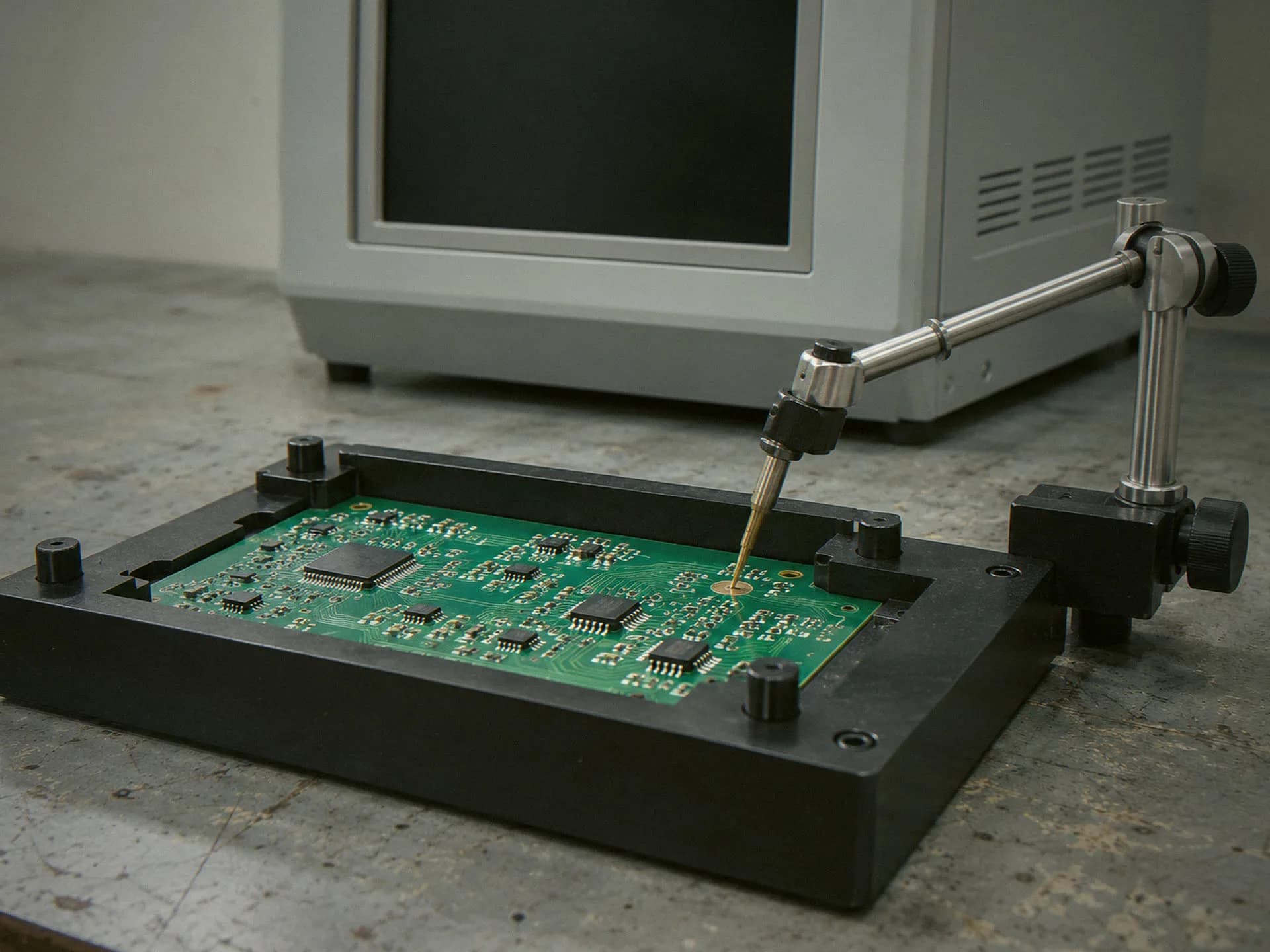
Station 2: Test and reliability lab
The lab tests your units and writes the results into the stage report you receive. Quality engineers run failure analysis, stress tests and functional checks. 3D AOI checks the solder joints on every board, and X-ray checks the hidden joints under BGA and QFN parts on the advanced route. In-circuit and functional testers run on fixtures built for your product, and 30+ ICT/FCT test stations work in the factory. At PVT the stations run the production test firmware, and results are kept for each unit by serial number. Environmental chambers apply heat, cold, humidity, vibration and drop to find field failures before your users do. The factory holds ISO 9001, ISO 13485, IATF 16949, AS9100 and ISO 14001, and the lab keeps the records those audits ask for.
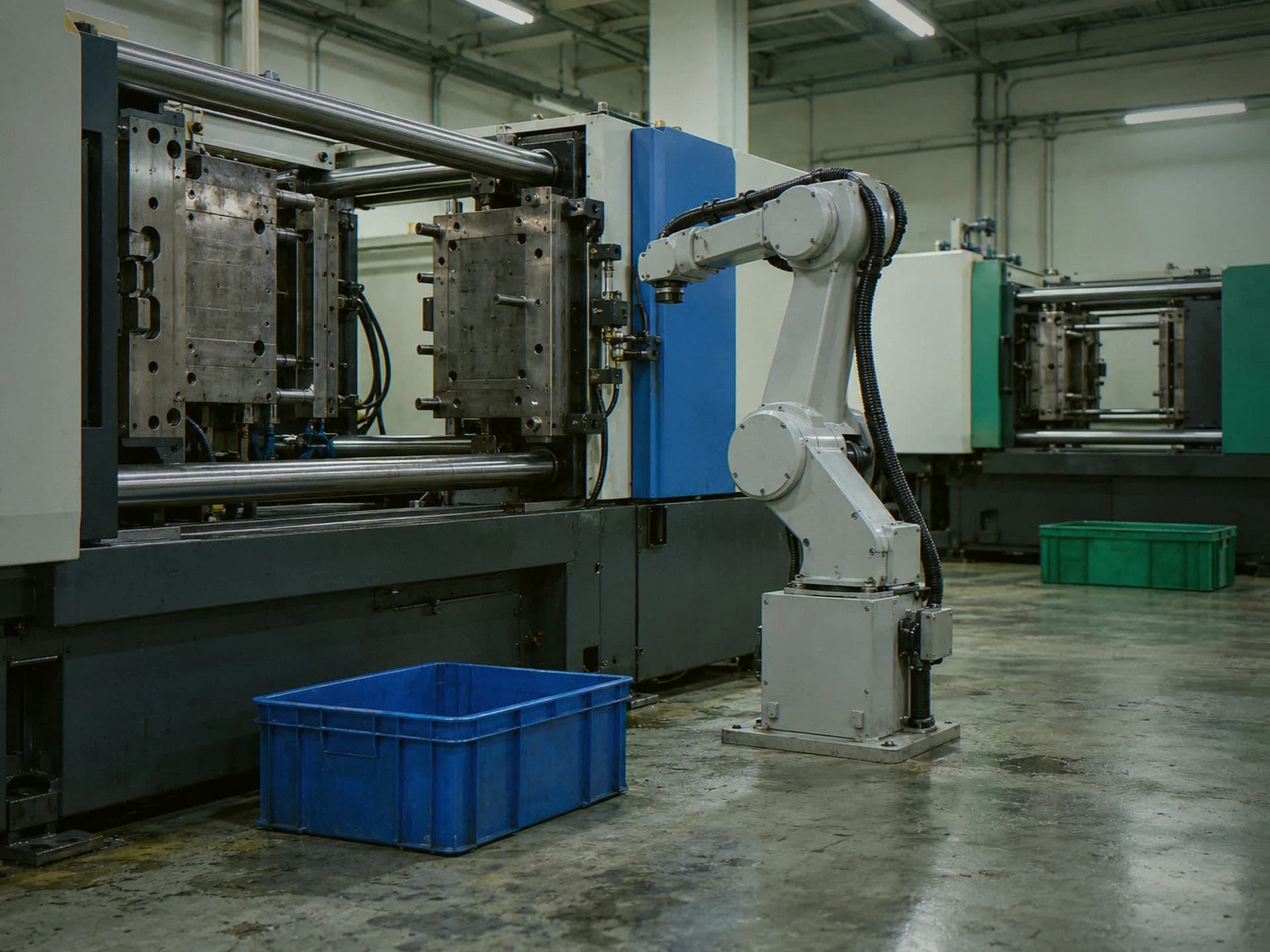
Station 3: Injection molding and tool room
The molding floor takes a part from CAD to first shot in the same building. The in-house tool room sits next to the 30+ injection molding presses, so a mold change does not leave the site either. The presses run small inner parts and large outer housings in ABS, PC, TPE, nylon and engineering resins, chosen with your engineer for strength, heat and finish. The tool room builds and maintains steel molds, and production molds are cut after DVT closes the design, so steel is cut once. Ultrasonic welding, pad printing, heat staking and EMI shielding finish the housing before it goes to box build.
Station 4: CNC machining and sheet metal
This station cuts, bends and welds the metal parts that hold your boards. CNC centers cut housings, heat sinks and brackets, often as the first metal version of a part that will later be molded or cast. Machining runs on 3, 4 and 5-axis centers to ±0.01 mm on controlled features, in aluminum, stainless steel, titanium and PEEK. The sheet-metal line cuts, bends and welds chassis and covers on fiber lasers and CNC press brakes, in sheet from 0.3 to 25 mm. A CMM room measures critical dimensions before parts go to assembly, so a bracket that is out of tolerance never meets a board.
Station 5: Box build and integration
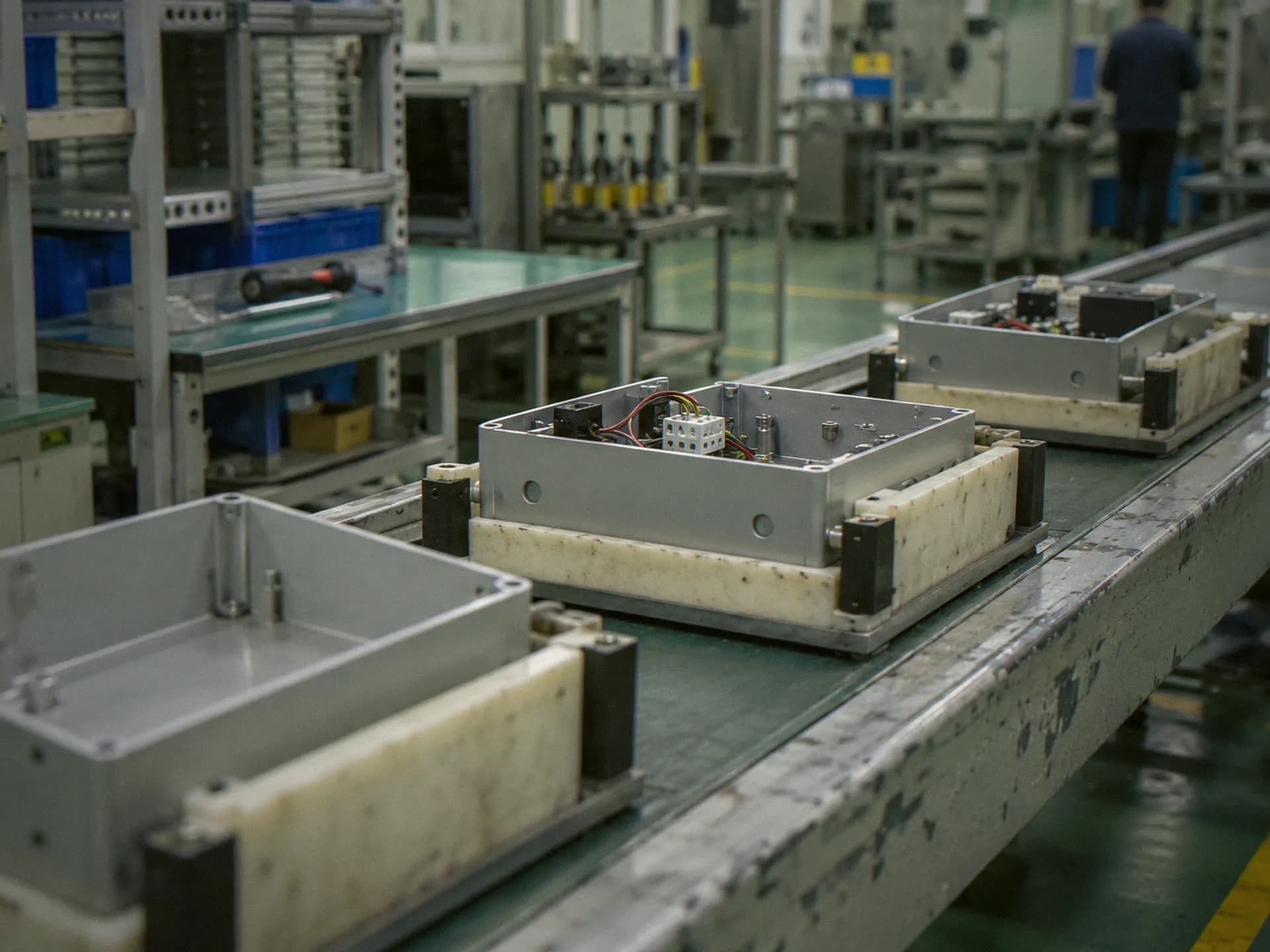
Box build joins boards, parts and cables into a finished product. Each station is set up for one product, with digital work instructions and quality checks built into the flow. Technicians route harnesses and build cable assemblies, load the firmware, set the product settings and pair the radios. Every unit gets a full system test before packing, then serialization, labels and retail packaging. This is where firmware meets the finished unit for the first time in volume, so the test station checks the firmware release against the one recorded on the golden sample.
Station 6: NPI and prototype bay
The prototype bay builds demo builds and early EVT units on a line kept apart from volume work, so a demo build never waits behind a production run. Pilot cells next to it run the EVT and DVT builds, and the engineers from your design work sit with them. PVT then moves to the production lines. The bay has firmware flashing and calibration stations, and production test fixtures are built here before PVT. The portal takes 72-hour prototype builds, and you can order boards for a demo build in Standard PCB & PCBA.
Station 7: Component warehouse
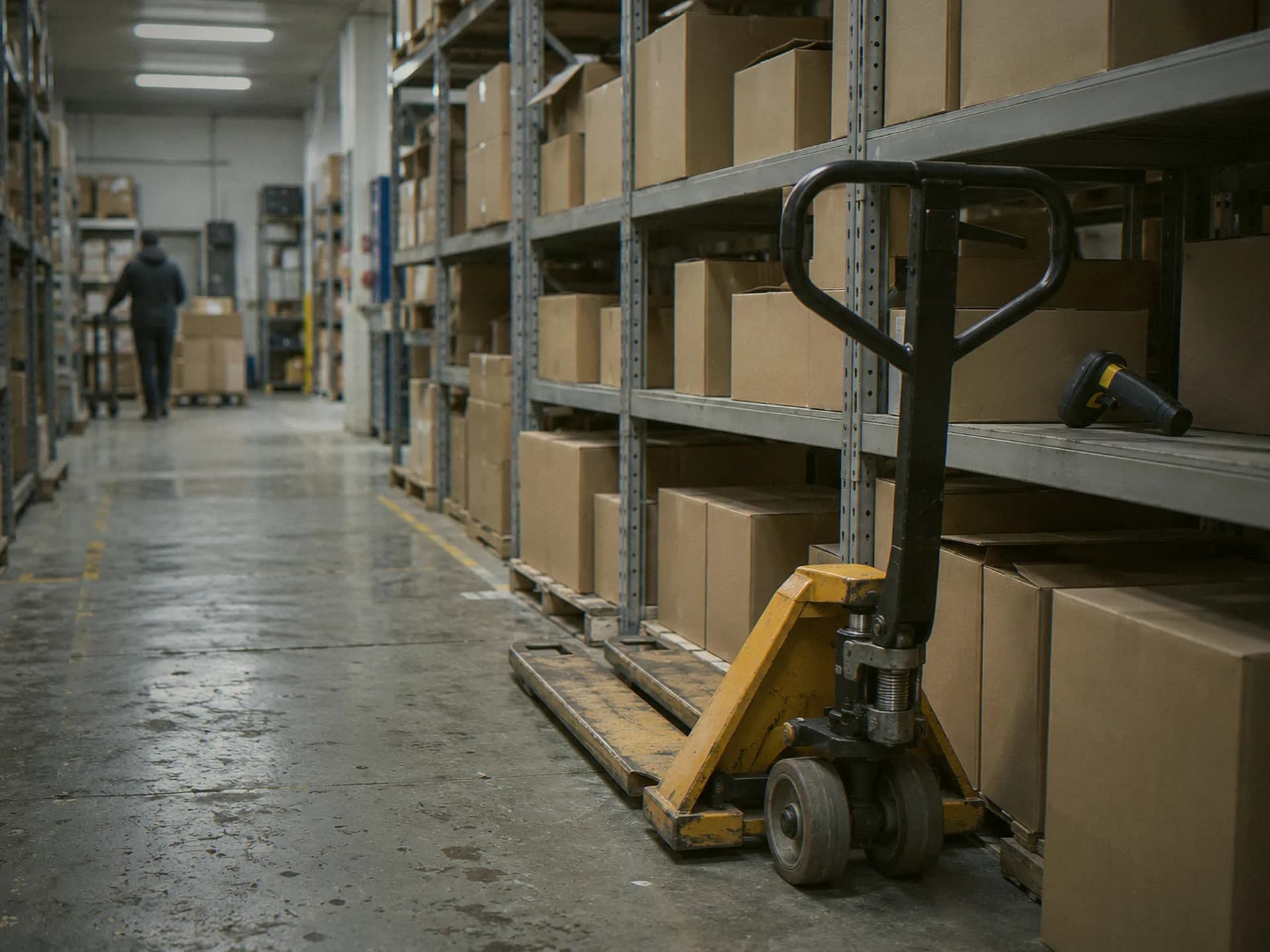
Every part is stored and issued by barcode, and each reel is logged when it leaves for a line. The store holds everything from a single resistor to a processor under temperature, humidity and ESD control. Moisture-sensitive parts are handled to J-STD-033, with bake ovens and sealed barrier bags. The inventory system enforces first in, first out. Parts come from 350 audited suppliers, and buffer stock and end-of-life planning are agreed with your team before production starts.
Station 8: ISO 7 clean room
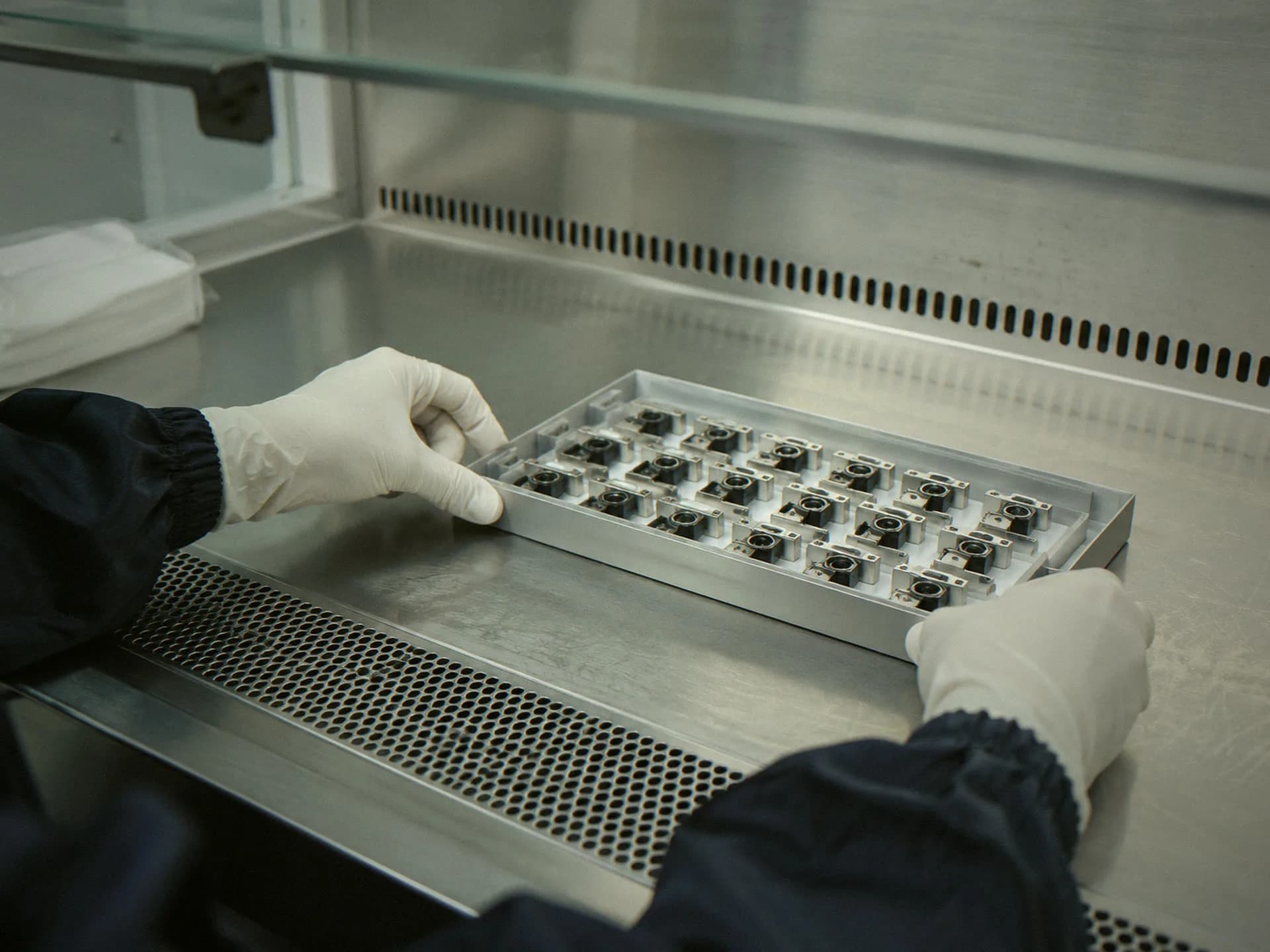
The clean room runs the assembly steps that dust would spoil. It is an ISO 7 (Class 10,000) room inside the Shenzhen factory, and staff enter it gowned. Your engineer decides during the DFM review which steps of your product need it, so clean assembly is planned into the process rather than added late. If your product needs it, ask to see the room on a visit.
What does each station check before a part moves on?
Each station passes a part on only after its own check. Paste is inspected before placement, joints after reflow, dimensions before assembly and function before packing. Every check is recorded, and after DVT and PVT every batch is compared with the golden sample you signed.
How the floor supports each stage
| Stage | Where it runs | What you get |
|---|---|---|
| Demo build | Prototype bay, SMT, CNC and printing | Working units built from reviewed files |
| EVT and DVT | Pilot cells, test lab | Units, test results and a validation report |
| PVT | Production lines with production fixtures | Units, the test plan and fixture definitions |
| Golden sample | Test lab | The sign-off record; you sign the reference unit |
| Production | SMT, molding, box build | Batches compared with the golden sample |
Read what happens at each step in transfer to production and the golden sample. For quality steps and certificates see quality; for process limits see capabilities.
What should I look for on a visit?
Look at the stations your product will use, not the whole floor. Ask to see a test fixture for a product like yours, the first-article record for a new run, and how a reel is traced to a board. Ask who reviews drift and how a batch is compared with the golden sample.
Bring the questions you would ask any supplier, and bring your files. The engineers on your project can then show you where each part of your product would be made, tested and packed, and what has to be decided before tooling. A visit before EVT shows you the prototype bay and the pilot cells. A visit before PVT shows you the fixtures and the test stations running on your own units.
See it for yourself
Live video tour. An engineer walks the floor with you on a video call. Ask questions as we show you the equipment, the processes and the stations your product would use.
In-person visit. Visit the Shenzhen factory on a date arranged with an engineer. We help plan the trip so it is worth the flight: see your line, meet the engineers on your project and check the stations yourself.
In December, founders can also join the Shenzhen founder tour, Dec 6–11; one stop of the week is the Illuminious Shenzhen factory, new for 2026.
Questions before a visit
Can I visit the factory before I order?
Yes. Book a live video tour or an in-person visit through an engineer. A video tour is a first look without the flight; a visit is most useful before EVT or before tooling. Send your files first, and we show you the stations your product would use.
Does the prototype run on the same lines as production?
Prototype builds run on a line kept apart from volume work, with the same process settings and inspection. A demo build is not delayed by a production batch, and the process data carries into EVT, DVT and PVT.
What do I take home from a visit?
A clear view of the stations, the test plan your product would need, and the questions to settle before tooling. Bring your files, and an engineer goes through the DFM review findings with you on the floor. We sign your NDA before the first call.
Book a tour
Send a note with your product and your stage. An engineer replies with dates for a video tour or a visit.