Component sourcing
One part on allocation can stop a build. Our engineers check availability and alternates before the schematic is drawn, and parts arrive from 350 audited suppliers.
No CAD yet? Our design team can take it from a sketch or a spec.
Walk Shenzhen factories with us, Dec 6–11. See the tour
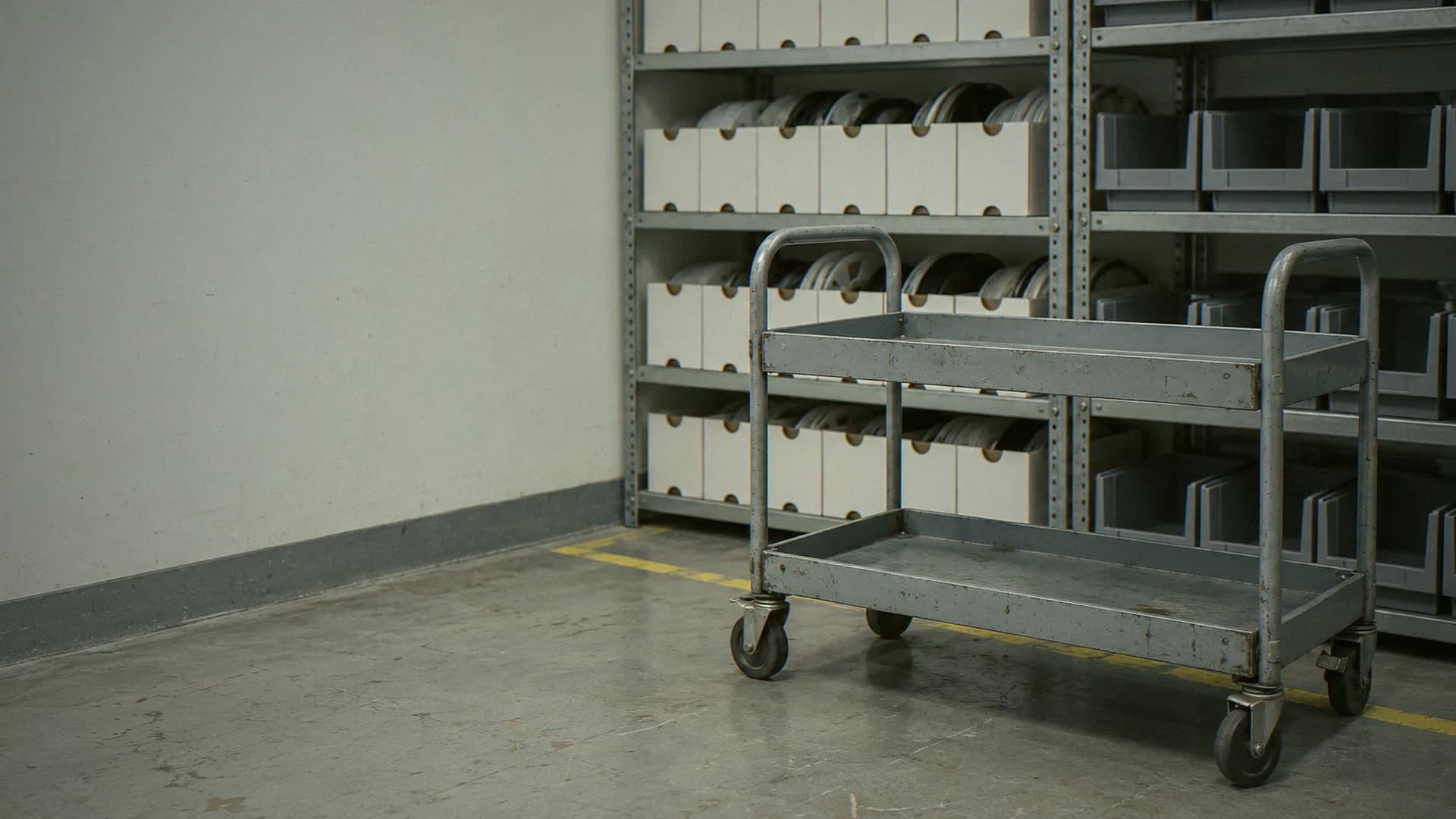
Component sourcing turns a bill of materials into parts that are in the factory on the day the boards are built. It covers finding stock, checking that a part is genuine, watching lifecycle and end-of-life notices, and proposing an alternate when the specified part cannot be bought. Illuminious is a U.S. NPI engineering company. Engineered in San Francisco. Prototype builds, DFM and mass production in our own factory in Shenzhen. Have it done for you when chasing parts yourself would become the real cost of the project.
On a board order, parts supply is a declared field with three settings: Illuminious sources parts, customer consigned, or mixed. On the mechatronic route you also declare a make-or-source preference. The substitution rule beneath the supply model matters more, and you set that rule yourself.
Why the parts decide the build
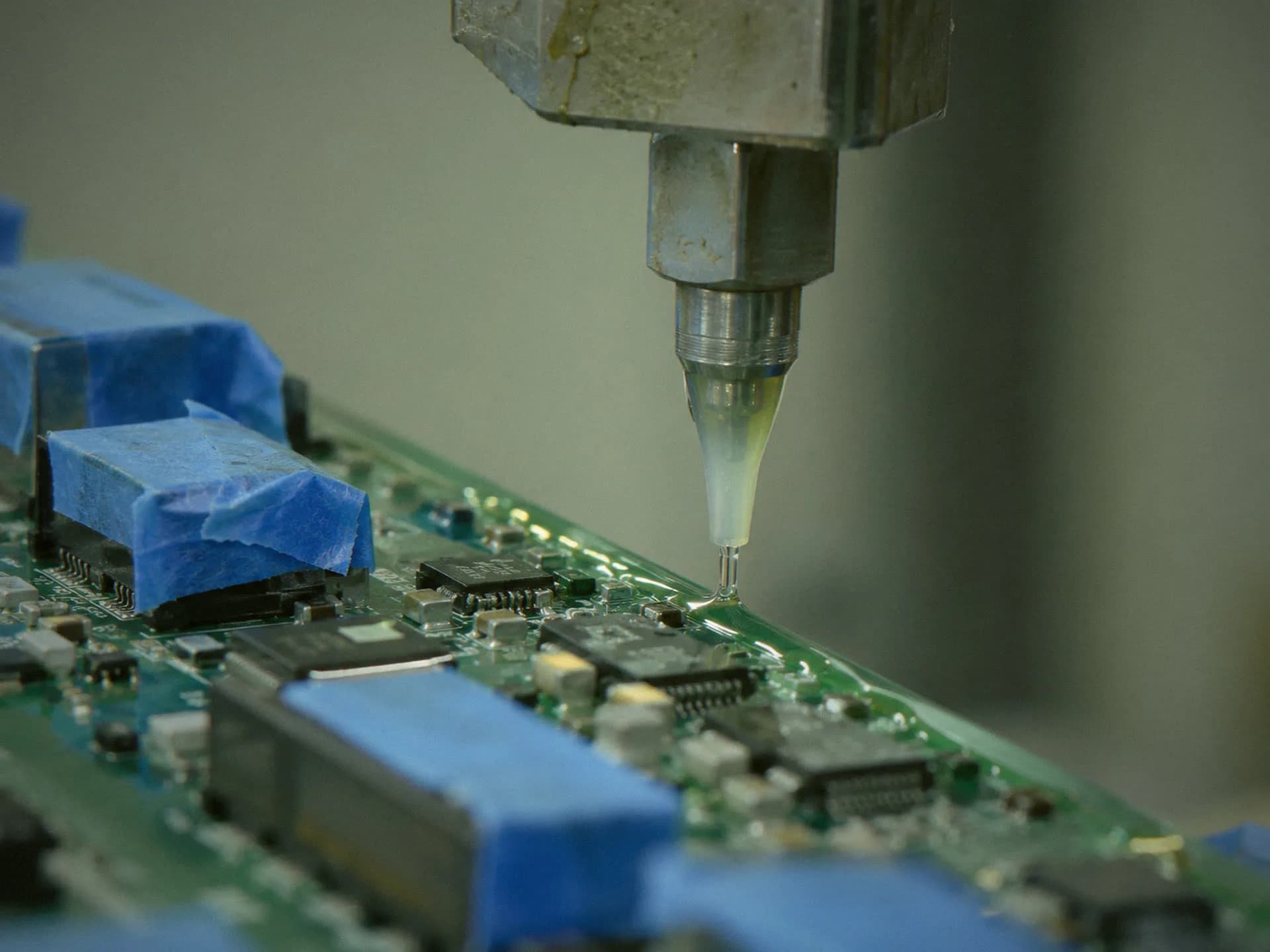
The cheapest place to solve a shortage is the schematic. A part chosen without a second source can stop a demo build, and a part near end of life can stop production a year later. Our engineers check availability and alternates before the schematic is drawn, and the DFM review repeats the check at the later stage gates.
Cost, quality and schedule all follow the components. A product with a few hundred unique parts carries a few hundred chances of a shortage, a price jump or a counterfeit, and one missing part stops a line as surely as a missing board.
We buy for the Shenzhen factory's own SMT and box build lines, from a network of 350 audited suppliers, authorized distributors and the original manufacturers. The benefit reaches you as parts on the shelf. The engineers who chose the parts in design stay on the project when it moves to the factory, so a substitution question goes to someone who knows why the part was chosen.
Sourcing capabilities
| Capability | What it covers |
|---|---|
| Audited supplier network | 350 audited suppliers. Each source is qualified before it is used. |
| Parts check in design | Availability, lifecycle and alternates are checked before the schematic is drawn. A second engineer checks parts against the BOM before the schematic and layout are delivered. |
| Alternates under your control | A proposed alternate reaches you as an itemized change. You approve, question or decline it. |
| Traceability | Lot and material traceability is a declared option, for products where a field failure must be traced to a batch. |
| Regulated products | Medical, automotive, aerospace and other regulated product classes route to engineering review, so documentation and traceability are settled before the build. The Shenzhen factory holds ISO 13485, IATF 16949 and AS9100 for these fields. |
| Mixed supply | You consign the long-lead or allocated lines; we source the rest. The build stays on one reviewed record. |
How a BOM becomes parts on the line
| Step | What we do | What you get or decide |
|---|---|---|
| 1. BOM read | Our engineers read the BOM for manufacturer part numbers, critical and long-lead parts, and lifecycle risk. | A list of lines that need a decision before the official quote. |
| 2. Alternates proposal | Where a part is at risk, we propose an alternate under the alternates policy you declared. | You approve, question or decline each alternate. Nothing changes without you. |
| 3. Official quote | We publish the official quote with an itemized total, a lead time and a validity window. | You accept the official quote, and only then does payment open. |
| 4. Purchasing and receipt | We place the purchase orders with qualified sources and receive the parts at the Shenzhen factory. | Consigned parts arrive from you on the agreed date. |
| 5. Incoming inspection | Parts are inspected on receipt for quantity, condition and authenticity before they enter stock. | Traceability records when you declared lot traceability. |
The advantages of sourcing through the factory
Weight with distributors
A manufacturer buying for its own lines has more weight on a constrained part than one small buyer. You see that as availability.
Counterfeit control
We buy from authorized distributors or from the original manufacturer. Incoming inspection stops a suspect part before it reaches a board.
One record from design to build
Parts chosen in design, alternates you approved and the parts received all sit on one project record in private project storage.
Should I consign parts or have them sourced?
Consign when you already hold stock, when your own allocation on a constrained part is better than the open market, or when a part is unique to you. Have parts sourced when you want one accountable party for the whole build. A mixed model is a declared setting, and most repeat customers use it.
Consigning moves the availability risk and the kitting work to you. A shortage in your kit stops the line as surely as a shortage in ours.
Sourcing suits a long BOM, where managing parts is a job in itself. In the mixed model you consign the awkward or long-lead lines and we source the rest.
How is a substitution approved?
By you, every time, and you set how strict the rule is. The alternates policy has three settings: no alternates without approval, form and fit alternates with approval, or an engineer may propose alternates. Under every setting, a proposed alternate is a change you approve, question or decline.
Set this control on purpose. "No alternates without approval" is the right setting for a regulated product or a design under change control. "Engineer may propose" suits a prototype where speed matters more than an exact part.
What makes a BOM quotable?
Manufacturer part numbers. "10k resistor 0402" is a family, so someone must guess your intent. Add reference designators, the quantity per board and a note on any line where the maker matters. Then declare placements per board and unique part numbers in the configurator.
Placements per board and unique part numbers set the assembly setup and the machine time. They separate a price that holds through engineering review from one that must be issued again. The BOM strategy guide for AI hardware shows how part choices in design change build speed.
Parts supply and substitution controls, as declared with an order
These are the supply and substitution fields the board and mechatronic routes ask for; anything outside them goes to an engineer.
| Declared option | Settings available | Choose it when |
|---|---|---|
| Parts supply (boards) | Illuminious sources parts; customer consigned; mixed | You want one accountable party, you already hold stock, or both |
| Make / source preference (assemblies) | Engineer selected; fabricate; source catalog parts; mixed | The assembly combines custom and catalog items |
| Approved alternates | No alternates without approval; form/fit alternates allowed with approval; engineer may propose alternates | The design is under change control, or speed matters more |
| Lot/material traceability | Requested or not | A field failure would have to be traced to a batch |
| Unique part numbers | 0–1,000 declared per board | Setting the feeder count and incoming checks |
| Placements per board | 0–5,000 standard route; 0–10,000 advanced route | Setting assembly machine time |
| Product class | Consumer / industrial electronics, automotive, medical, aerospace, military / defense, other regulated use | Regulated use changes the documentation required |
| Required files | Fabrication Gerber archive; BOM and placement file when assembly is selected | Any assembled board |
| Review target | Within 24 hours on business days after you submit | Availability and lifecycle risk are confirmed here |
Facts and questions
Will you substitute a part without telling me?
No. The alternates policy is a declared field, and under all three settings a proposed alternate reaches you as an itemized change you approve, question or decline. The strictest setting, no alternates without approval, holds the build until you decide. Nothing on your board changes because a buyer found a cheaper part.
What do you check on incoming components?
Availability, lifecycle risk and any proposed alternate are confirmed in engineering review, before the build. On arrival, parts are inspected for quantity, condition and authenticity. When the product class is medical, aerospace, military or other regulated use, the order routes to review so documentation and traceability are settled first.
Can I consign only some of the parts?
Yes. The mixed setting exists for this. You consign the long-lead or allocated lines, and we source the rest. The whole build stays on one reviewed record, so nobody has to match two partial kits on the build day.
What happens if a part goes on allocation after the official quote?
We tell you as soon as a distributor confirms it, with the options: wait for the allocated date, accept an alternate under your alternates policy, or consign the part yourself. A change to price or lead time reaches you as an itemized revision to approve, question or decline. Nothing changes silently.
How your official quote is prepared
Configuring turnkey PCB assembly with sourced parts online returns a live supplier price when suppliers can price the build. Otherwise a specialist prepares your official quote within 24 hours on business days. An engineer reviews every order. The review is free and comes before payment, and the official quote is the amount you pay.
Read the turnkey PCB assembly with sourced parts service detail
Make your parts list a buildable one
Send your BOM for a free engineering review. An engineer marks the lines at risk before you pay. If you are still choosing parts, start with project initiation, which includes major component selection. See how a robotics team moved actuators to volume with parts and machining planned together.
- An engineer runs a free engineering review of your files, and nothing is charged when you submit.
- You see the findings first.
- We publish the official quote with an itemized total, lead time and validity window.
- You accept the official quote, and only then does payment open.