Shenzhen tour · Dec 6–11

Apply

What changed between the first review and production

Each study follows one product through the stages it reached with us, starting at the first file review. Client names are changed to keep projects confidential. Engineered in San Francisco. Prototype builds, DFM and mass production in our own factory in Shenzhen.

Walk Shenzhen factories with us, Dec 6–11. See the tour

  • FreeEngineering review before you pay
  • Class 3IPC-A-610 workmanship
  • 500+Projects delivered
Pet Health Tracker Startup Goes from 5-Piece Samples to Retail Shelves: Smart-Collar PCBA with GPS+BLE+IMU, an Overmolded Waterproof Housing and a D2C Launch That Survived Chew Testing

Pet Health Tracker Startup Goes from 5-Piece Samples to Retail Shelves: Smart-Collar PCBA with GPS+BLE+IMU, an Overmolded Waterproof Housing and a D2C Launch That Survived Chew Testing

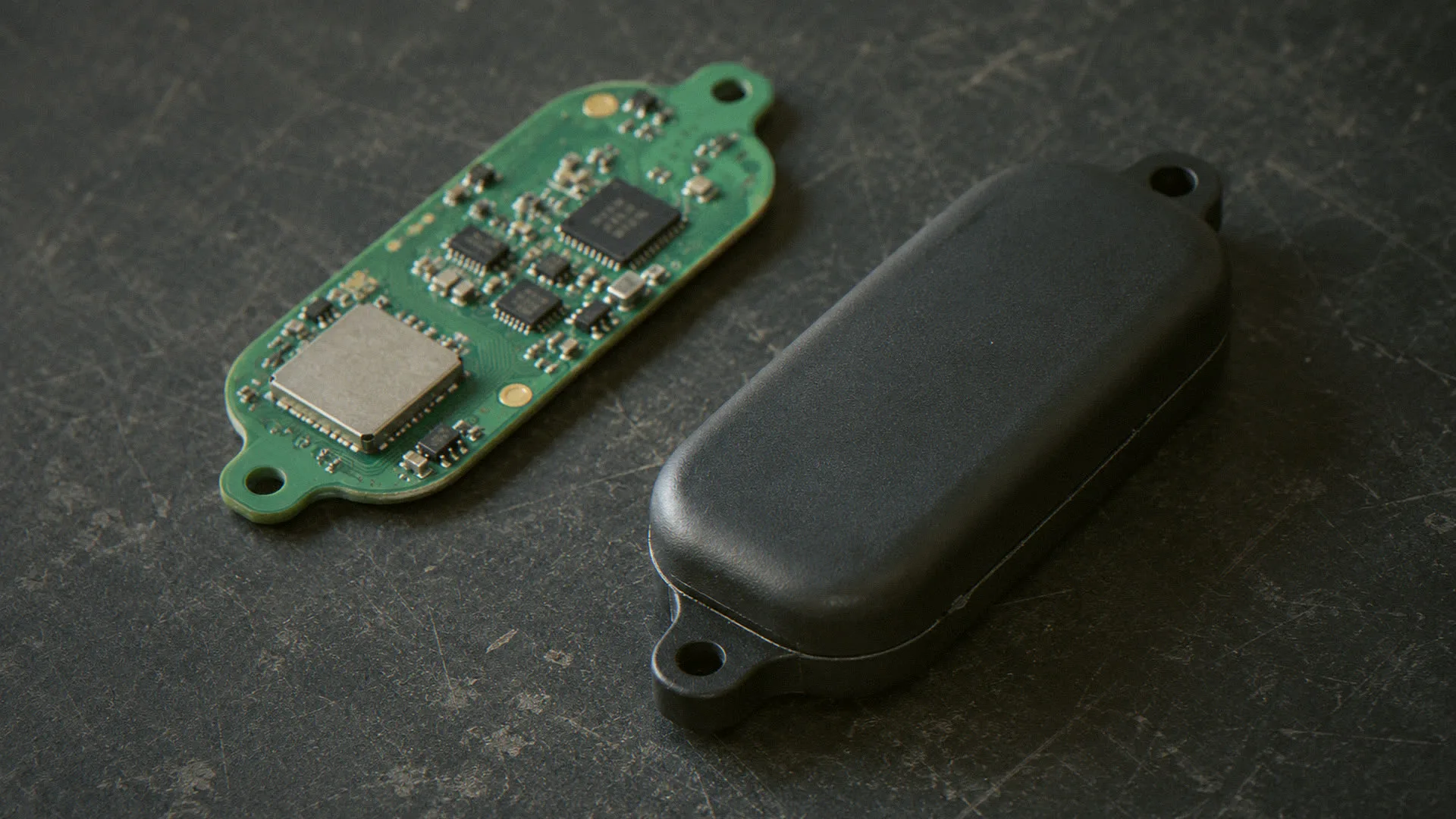
PawLink Labs, a 6-person pre-seed pet-tech startup, had a working smart-collar prototype built from dev boards and a 3D-printed shell, a waitlist of dog owners, and a retail buyer asking for shelf-ready units. The prototype was not waterproof, its GPS fix degraded once the electronics sat inside a curved collar module, and nobody on the team had ever taken an overmolded wearable into production.

Samples to retail shipment
7 Months
DFM review saves
2 Catches
Read full case study
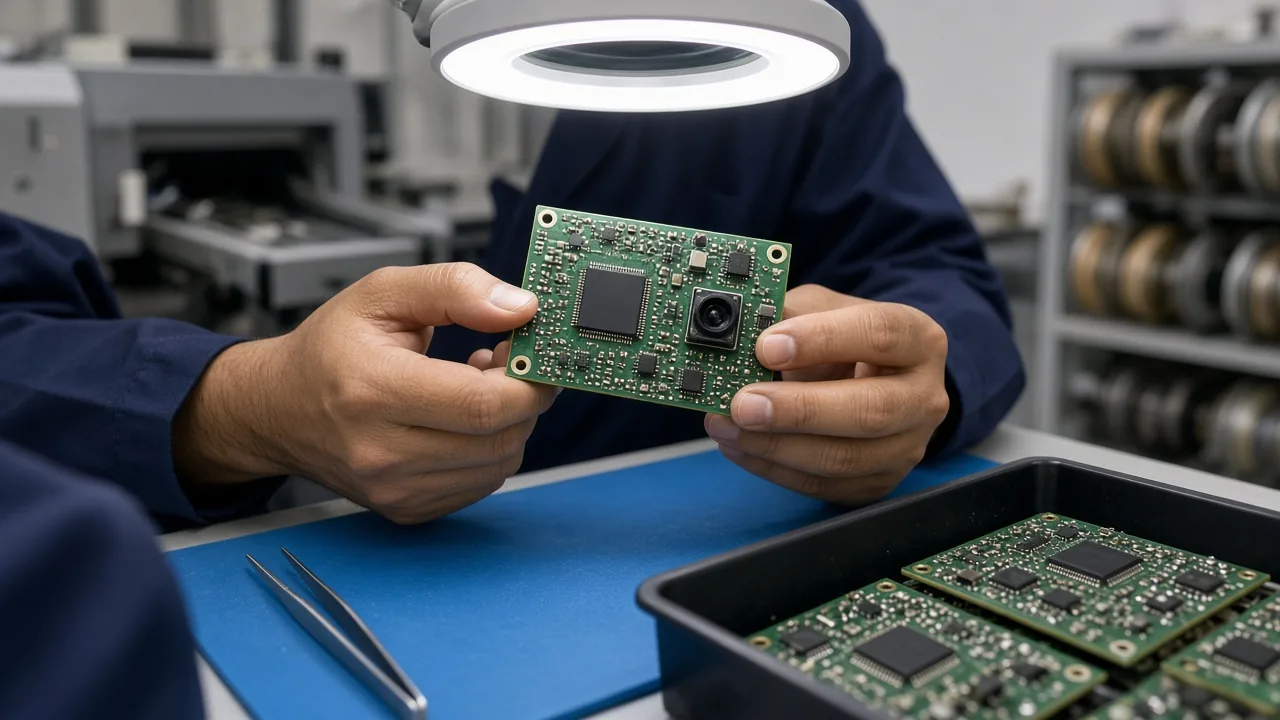
72 Hours from Pitch Deck to Demo Boards: How a Physical AI Startup Salvaged Its Tech Week Demo with a 5-Piece Emergency Run and a DFM Save

72 Hours from Pitch Deck to Demo Boards: How a Physical AI Startup Salvaged Its Tech Week Demo with a 5-Piece Emergency Run and a DFM Save

Percepta Robotics, an 8-person pre-seed physical AI startup building an edge-AI perception module for warehouse robots, was seven days from its Tech Week investor demo when its hand-assembled demo boards began dropping the sensor stream under vibration. The original board house quoted three weeks for a rebuild, and nobody had yet found the root cause.

Files to shipped boards
72 Hours
DFM review saves
2 Catches
Read full case study
Asset-Tracking IoT Startup Goes from 5-Piece Samples to 50K Units in 11 Months: LoRa Sensor PCBA, Overmolded Enclosure and a Pilot Run That Survived the Field

Asset-Tracking IoT Startup Goes from 5-Piece Samples to 50K Units in 11 Months: LoRa Sensor PCBA, Overmolded Enclosure and a Pilot Run That Survived the Field

TrackWell IoT, an Austin, TX startup that grew from 7 to 19 people between pre-seed and Series A, builds battery-powered LoRa asset trackers for construction equipment and rental fleets. The IoT-based asset tracking market is projected to grow from $6.51 billion in 2026 to $17.36 billion by 2034 at roughly 13% CAGR, and the predictive maintenance market it feeds is projected to grow from $17.1 billion in 2026 to $97.4 billion by 2034 — but TrackWell faced the classic pre-seed squeeze: no contract manufacturer would quote a 5-piece sample build, EVT units with 3D-printed shells could not survive jobsite shock, UV exposure and high-pressure washdown, a fragmented vendor base left LoRa RF performance and battery life unowned, and a 50-unit field-trial gate before PVT tooling had never been offered by any prospective partner.

Samples to 50K
11 Months
Field-trial saves
2 Failure Modes
Read full case study
From 5-Piece Pilot to 10,000 Units: How a Wearable Health Patch Startup Navigated FDA-Aware NPI With Flex PCBA, Biocompatible Encapsulation and No-MOQ Manufacturing

From 5-Piece Pilot to 10,000 Units: How a Wearable Health Patch Startup Navigated FDA-Aware NPI With Flex PCBA, Biocompatible Encapsulation and No-MOQ Manufacturing

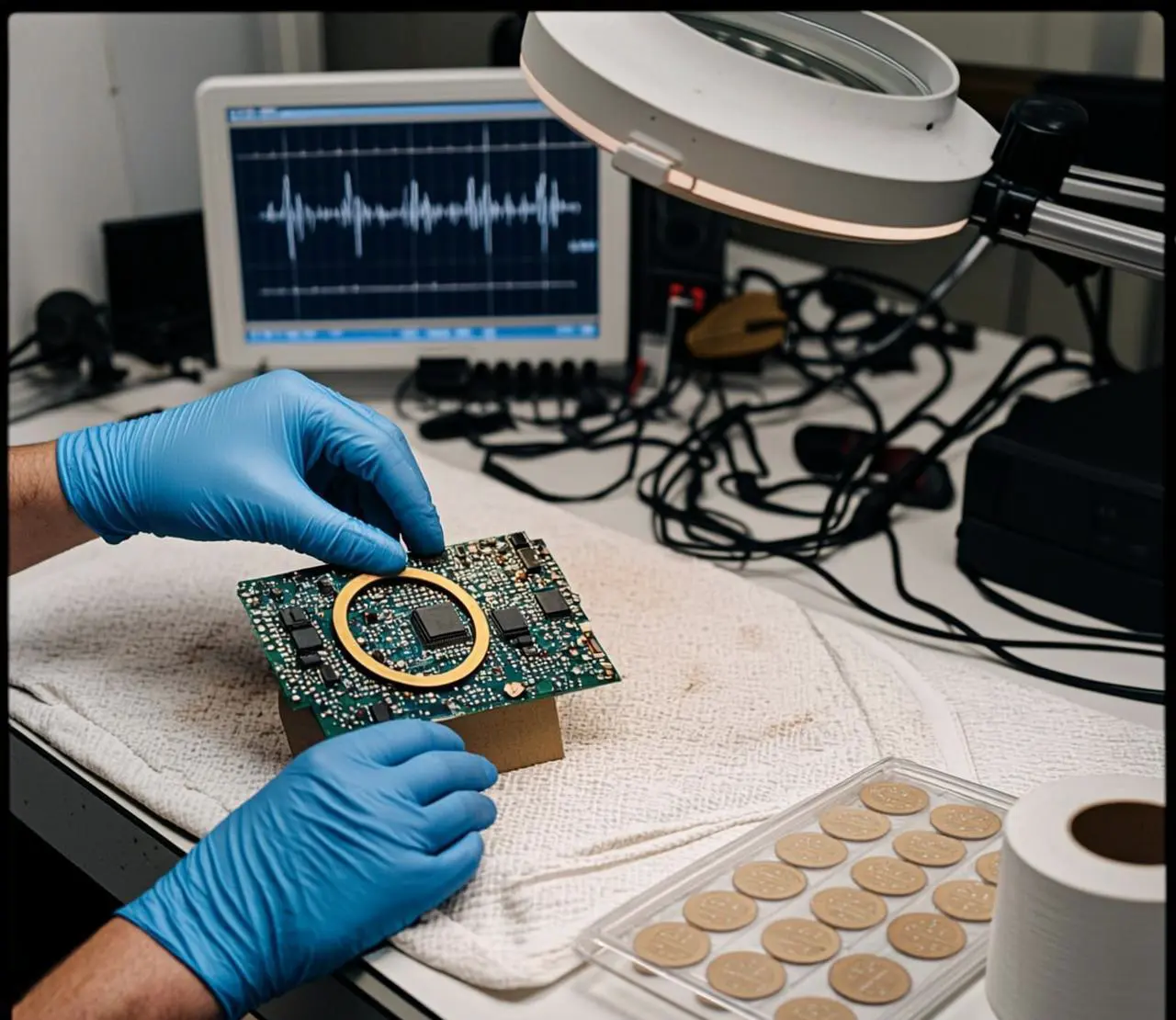
Vitalis Health, a 7-person seed-stage startup in Austin, TX, developed a disposable vital-sign monitoring patch combining single-lead ECG, skin temperature, and a 3-axis accelerometer for post-discharge recovery monitoring. Connected wearable patches are projected to grow from $11.79B in 2025 to $12.98B in 2026 and $28.07B by 2034 at roughly 10% CAGR, and the FDA continues to clear wearable-patch remote monitoring systems through the 510k pathway — but Vitalis faced the classic seed-stage squeeze: a crowdfunding backlog waiting on volume, an FDA 520-f Class II production path demanding unit-level traceability, flex-PCBA bend-stress reliability questions, biocompatible skin-contact requirements under ISO 10993, and no contract manufacturer willing to quote a 5-piece pilot without punitive no-MOQ pricing.

NPI duration
20 Weeks
First-pass yield
97.3%
Read full case study
From 3D-Printed Shells to 200K Units: How a Smart-Home Heat-Pump Controller Startup Cut NPI Cost 38% With Die Casting, Overmolding and Integrated PCBA

From 3D-Printed Shells to 200K Units: How a Smart-Home Heat-Pump Controller Startup Cut NPI Cost 38% With Die Casting, Overmolding and Integrated PCBA

ThermaFlow Controls, a Denver-based Series A startup with 28 engineers, builds smart modulation controllers and room sensors for ductless mini-split and hydronic heat pump systems. The global smart HVAC controls market is racing toward $160B by 2035 on decarbonization incentives and the R-454B refrigerant transition, and heat pump adoption is accelerating worldwide — but ThermaFlow's EVT units with SLA/SLS 3D-printed shells could not survive the UL 60730 certification path, outdoor condensing environments, or a 200,000-unit channel ramp. A separate PCBA vendor, a machined-housing shop, and an overmold molder each owned a slice of quality with no owner of system-level IP54 performance or certification readiness.

NPI cost
-38%
Thermal margin
+11°C
Read full case study
AI Data Center Battery Backup Startup Scales From 500 to 20,000 Units With Integrated High-Power PCBA, Copper Busbar Stamping, and Box Build

AI Data Center Battery Backup Startup Scales From 500 to 20,000 Units With Integrated High-Power PCBA, Copper Busbar Stamping, and Box Build

VoltAura Power, an Austin-based Series B startup with $60M in funding and 45 employees, builds rack-mounted 3.3kW hot-swap battery backup units with battery management systems for AI server fleets — and AI data center operators demand UL certification and 20,000 units for Q4 2026 deployment. Its four-vendor supply chain had no owner of BBU-level performance: a BMS PCBA vendor building 4-layer 3-oz copper boards that failed 4.7% of thermal tests on high-current paths, a busbar fabricator with inconsistent plating driving contact resistance variance, a sheet metal shop whose chassis failed EMI screening, and a final assembler with no power-path ownership. Stuck at 500 prototype units, the power delivery chain — not the battery cells — was the scaling bottleneck.

Unit cost
$262
First-pass yield
99.3%
Read full case study
Humanoid Robotics Startup Scales Actuator Production from 200 to 50,000 Units with Integrated Precision CNC Machining and Motor Drive PCBA

Humanoid Robotics Startup Scales Actuator Production from 200 to 50,000 Units with Integrated Precision CNC Machining and Motor Drive PCBA

KineticMind Robotics, a San Jose-based Series B startup with $85M in funding, builds the KMA-120 rotary actuator module for humanoid robot makers — a planetary gearbox, frameless torque motor, encoder, and integrated motor drive PCBA delivering 120 Nm output torque at under 8 arc-minutes of backlash. Their manufacturing was fragmented across three vendors with no single source accountable for actuator-level performance: a precision gear CNC shop delivering inconsistent ±0.02mm tolerances on 12-week lead times with 6% of gear sets rejected for excess backlash, a motor supplier offering no encoder integration support, and a PCBA house whose motor drive boards failed thermal cycling at a 4.7% rate. Stuck at 200 prototype units against a signed order book of 50,000, the actuator supply chain — not software, not fundraising — had become the company's existential risk.

Unit cost
$265
Gear set rejection
0.2%
Read full case study
Smart Home Startup Cuts Time-to-Market 45% with Overmolded Enclosures, Multilayer HDI PCBA, and Turnkey Box Build Assembly

Smart Home Startup Cuts Time-to-Market 45% with Overmolded Enclosures, Multilayer HDI PCBA, and Turnkey Box Build Assembly

Lumina Home, a Seattle-based Series A smart home company building premium ambient computing devices for the luxury residential market, had developed the Lumina Hub — a voice-controlled smart home controller with edge AI processing, integrated LED matrix display, and multi-protocol wireless support. Their manufacturing was fragmented across four vendors on two continents: a China injection molder producing TPU overmolded housing shells with 8% surface defect rates, a Taiwan PCBA house assembling 8-layer HDI boards with 6% microphone array tuning failures, a Shenzhen display module vendor whose components suffered light leakage at the overmold interface, and a US assembly contractor achieving only 90.8% field reliability across 16-week cumulative lead times at $73 per unit. With Amazon Echo launching a competing premium product in Q4, Lumina needed to hit the holiday window or lose the market.

Lead time
31% Faster
Manufacturing cost
$52/unit
Read full case study
Edge Computing Startup Achieves 60% Faster Time-to-Market with Integrated Sheet Metal Enclosures and High-Density PCBA for Data Center Deployment

Edge Computing Startup Achieves 60% Faster Time-to-Market with Integrated Sheet Metal Enclosures and High-Density PCBA for Data Center Deployment

NexusEdge Computing, an Austin-based Series B edge computing startup, built the NexusEdge R1 — a 1U rack-mount edge inference server with 4x GPU acceleration for AI workloads deployed in factory floors, retail stores, and hospital data closets. Their manufacturing was fragmented across three vendors: a Mexico sheet metal shop producing 5052 aluminum enclosures at $42 each with 10-week lead times, a Taiwan PCBA house assembling HDI carrier boards and backplanes at $89 per board set with 8-week lead times, and a US integration contractor performing manual rack assembly and burn-in testing at $38 per unit with 5-week lead times. The cumulative 14-week lead time and 6.8% defect rate — driven by thermal throttling from inconsistent enclosure-to-PCBA airflow gaps, EMI leakage from poor seam contact causing 8% FCC Part 15 Class A first-pass failures, and enclosure dimensional variation causing rack mounting issues — made it impossible to meet customer deployment schedules for 5,000 annual units.

Unit cost
36% Reduction
Lead time
8 Weeks
Read full case study
Industrial IoT Sensor Company Reduces Enclosure Cost 40% by Consolidating Aluminum Die Casting and PCBA Assembly Under One Manufacturing Partner

Industrial IoT Sensor Company Reduces Enclosure Cost 40% by Consolidating Aluminum Die Casting and PCBA Assembly Under One Manufacturing Partner

SentinelIQ, a San Jose-based Series B industrial IoT company, manufactured rugged environmental monitoring sensors for factory floors — measuring temperature, humidity, VOCs, particulate matter, and CO2 levels with LoRaWAN connectivity. Their manufacturing was split across three vendors on two continents: a die casting supplier in Taiwan producing A380 aluminum enclosures at $18 each with 12-week lead times, a PCBA house in Shenzhen assembling sensor boards at $9 each, and a US-based assembly contractor performing manual box builds at $7 per unit. The fragmented approach produced a cumulative 14-week lead time, a 5.1% defect rate driven by enclosure-PCBA alignment mismatches and potting failures, and persistent IP67 sealing failures at 3.2% due to enclosure flatness variation. When vendor quality issues arose, finger-pointing replaced problem-solving — the die caster blamed the PCBA design, the PCBA house blamed enclosure dimensional variation, and SentinelIQ absorbed the cost of every rejected lot.

Unit cost
40% Reduction
Lead time
8 Weeks
Read full case study
Medical Wearable Startup Achieves Zero-Defect Micro-Molding for Overmolded Drug Delivery PCBA with ISO 13485 Cleanroom Manufacturing

Medical Wearable Startup Achieves Zero-Defect Micro-Molding for Overmolded Drug Delivery PCBA with ISO 13485 Cleanroom Manufacturing

NeuroDose Therapeutics, a Cambridge, MA-based Series B medtech startup, was developing a wearable drug delivery patch with integrated electronics and a micro-fluidic pump for precise transdermal drug dosing. Each disposable patch required an overmolded PCBA sealed in biocompatible housing, a micro-molded fluid reservoir with sub-millimeter channel geometry, and a snap-fit enclosure assembly — all manufactured under ISO 13485 cleanroom conditions. Their previous approach used separate molding and PCBA vendors, resulting in a 4.2% defect rate at assembly, 12-week lead times, and persistent alignment issues between the molded reservoir and the overmolded electronics. Drug contact parts required USP Class VI biocompatible materials, micro-molded fluid channels demanded 0.3mm wall thickness at plus or minus 0.01mm tolerance with zero flash, and the TPU overmold onto populated circuit boards needed to pass ASTM D903 peel testing for patient contact safety. NeuroDose needed a single partner who could perform precision micro-molding, PCBA overmolding, and final device assembly under one ISO 13485 certified roof with full FDA 21 CFR Part 820 device history record compliance.

Defect rate
0.02%
Lead time
6 Weeks
Read full case study
Automotive EV Startup Achieves Zero-PPM Quality with IATF 16949 PCBA for 800V Battery Management Systems

Automotive EV Startup Achieves Zero-PPM Quality with IATF 16949 PCBA for 800V Battery Management Systems

VoltLytic Motors, a Detroit-based Series B EV startup developing 800V battery packs for commercial electric vehicles, needed automotive-grade Battery Management System controller PCBAs that could meet the stringent quality and reliability requirements of Tier 1 automotive suppliers. Their BMS controller monitored cell voltage and temperature across 96-cell battery pack modules, managing critical balancing current in high-voltage environments. The previous EMS partner delivered a 340 PPM defect rate with 2 field failures in 5,000 units — a fire risk that was fundamentally unacceptable for automotive battery applications. VoltLytic required full PPAP Level 3 documentation, IATF 16949 quality systems, AEC-Q200 qualified components across all 96 critical BOM line items, and traceability per automotive Tier 1 standards to secure OEM contracts.

Quality achievement
0 PPM
Defect rate improvement
100%
Read full case study
Surgical Robotics Startup Achieves ±0.01mm Titanium Precision with 5-Axis CNC Machining for FDA-Cleared Medical Robot Components

Surgical Robotics Startup Achieves ±0.01mm Titanium Precision with 5-Axis CNC Machining for FDA-Cleared Medical Robot Components

MediForge Robotics, a Boston-based surgical robotics startup backed by Series B funding, needed complex 5-axis CNC machined titanium components for their FDA-cleared minimally invasive surgical robot. The robotic instrument arm required Ti-6Al-4V structural joints held to ±0.01mm tolerance, surgical end-effector mounts with Ra 0.4 surface finish, and PEEK electrical insulator bushings for biocompatible electrical isolation. Their previous vendor delivered 16-week lead times with inconsistent quality — a 3.5% dimensional rejection rate — and operated without an ISO 13485 quality management system, putting FDA compliance at risk.

Dimensional accuracy
±0.01mm
Lead time reduction
63%
Read full case study
Metal Stamping Startup Cuts Lead Time 50% with Progressive Die + Integrated PCBA for EV Charging Stations

Metal Stamping Startup Cuts Lead Time 50% with Progressive Die + Integrated PCBA for EV Charging Stations

VoltEdge Systems, a Detroit-based EV charging infrastructure startup, needed custom stamped metal enclosures, EMI shielding brackets, and integrated power PCBA for their smart charging stations. Managing four separate vendors — a stamping shop, PCB fabricator, assembly house, and finishing provider — resulted in 12-week lead times, a 3.2% defect rate, and spiraling costs that threatened their scale-up timeline.

Lead time reduction
50%
Defect rate improvement
87%
Read full case study
How an Industrial Automation Company Reduced Box Build Assembly Time by 40% with Integrated PCBA and Custom Enclosure Manufacturing

How an Industrial Automation Company Reduced Box Build Assembly Time by 40% with Integrated PCBA and Custom Enclosure Manufacturing

AutoForge Robotics needed to produce 25,000 units of their next-gen smart motor controller, combining a complex 6-layer PCBA with die-cast aluminum enclosure, CNC heatsink, injection-molded cable glands, and full cable harness assembly. Their previous supplier managed PCB and enclosure separately, causing 3-week integration delays and an 8% assembly defect rate that threatened their production schedule.

Cycle time reduction
40%
Defect rate improvement
0.6%
Read full case study
Wearable Health AI Startup Goes from Concept to 10K Units in 14 Weeks Through Startup Bridge Program

Wearable Health AI Startup Goes from Concept to 10K Units in 14 Weeks Through Startup Bridge Program

VitaSignal, a Series A-stage wearable health AI startup based in San Francisco, had developed a continuous vital signs monitoring wristband with edge AI inference for early health anomaly detection. Their breadboard prototype was validated in clinical trials, but with their Series A deadline looming in 16 weeks, they had no manufacturing partner capable of delivering 10,000 production units. Three traditional contract manufacturers quoted 24-32 week NPI timelines with 50K unit MOQs — a non-starter for a pre-revenue startup.

Concept-to-10K timeline
14 Weeks
BOM cost reduction
28%
Read full case study
Smart Agriculture IoT Startup Achieves 12-Week NPI Launch with Shenzhen Manufacturing Hub

Smart Agriculture IoT Startup Achieves 12-Week NPI Launch with Shenzhen Manufacturing Hub

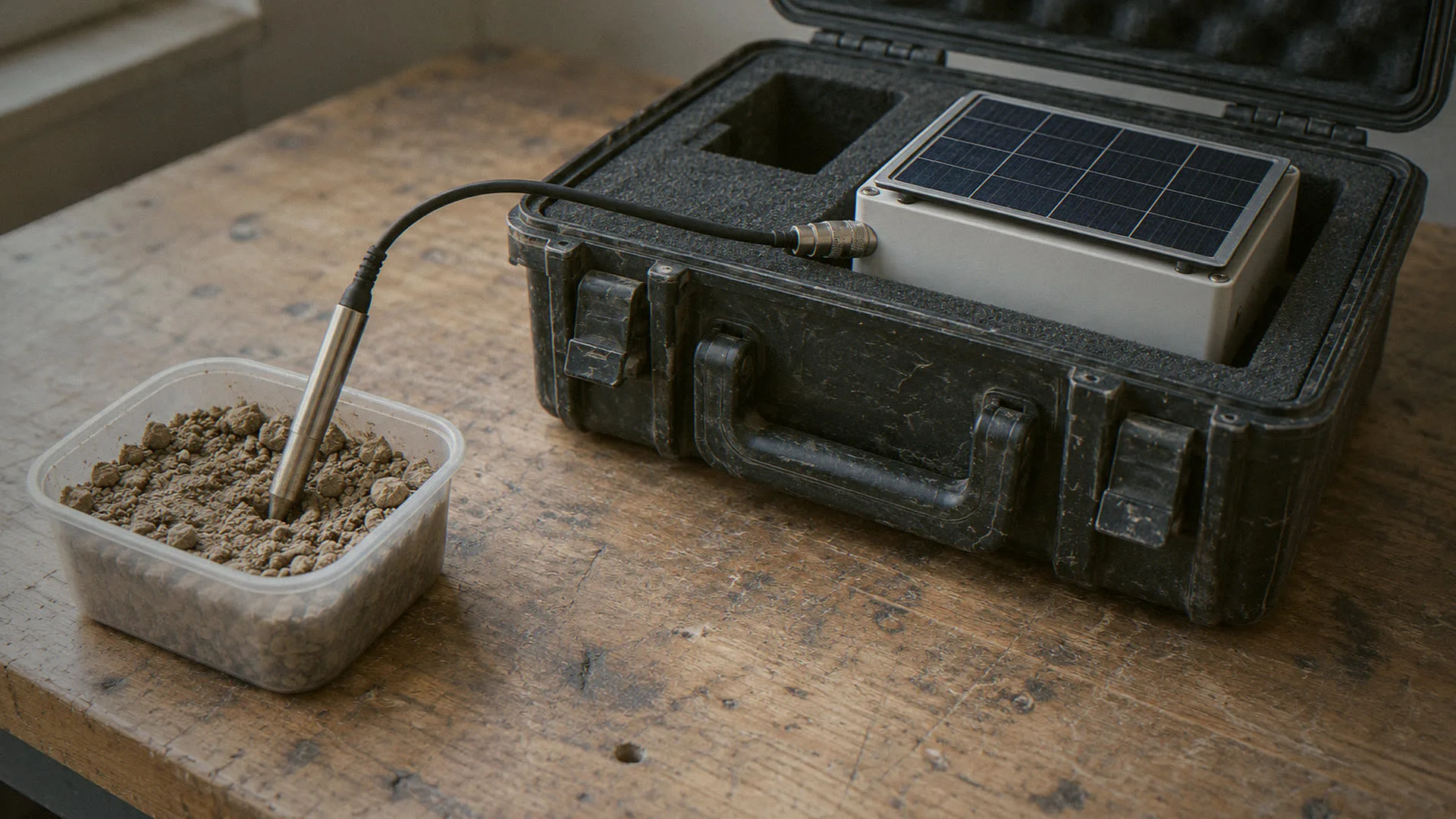
AgriNode Systems, a Singapore-based precision agriculture startup, had developed a LoRaWAN-enabled soil monitoring sensor node that combined soil moisture, NPK nutrient, and pH sensing in a single IP67-rated probe. After a successful pilot with 200 hand-assembled units across three palm oil plantations, they won a government contract to deploy 15,000 units across Sumatra and Kalimantan within 6 months. Their challenge: no manufacturing partner could deliver production-grade, weather-sealed IoT hardware at that volume on that timeline from Southeast Asia.

NPI timeline
12 Weeks
Unit cost reduction
34%
Read full case study
AI Sensor Startup Scales from Breadboard to 5,000 Units in 10 Weeks Using Startup Bridge Program

AI Sensor Startup Scales from Breadboard to 5,000 Units in 10 Weeks Using Startup Bridge Program

SentinelSense Technologies, a Series A AI sensor startup, had a working breadboard prototype of their industrial air-quality sensing platform but faced a critical 14-week runway before their next funding round. Traditional contract manufacturers quoted 24+ weeks for NPI with 10,000-unit MOQs — a death sentence for a startup needing to prove product-market fit with limited capital.

Time to production
10 Weeks
BOM cost reduction
28%
Read full case study
Solar Microinverter Maker Achieves 99.95% Field Reliability and 45% Faster Time-to-Market with Illuminious PCBA

Solar Microinverter Maker Achieves 99.95% Field Reliability and 45% Faster Time-to-Market with Illuminious PCBA

A fast-growing solar microinverter manufacturer faced a 3.8% field failure rate that threatened warranty costs and brand reputation. With demand surging across residential solar markets, they needed to scale production from 5,000 to 30,000 units per month while simultaneously improving reliability and passing IEC 62109 certification on the first attempt.

Field reliability
99.95%
Time-to-market
45% Faster
Read full case study
Aerospace Contractor Achieves 99.97% Reliability on Rigid-Flex Radar PCB Assembly for Fighter Avionics

Aerospace Contractor Achieves 99.97% Reliability on Rigid-Flex Radar PCB Assembly for Fighter Avionics

A Tier-1 aerospace electronics contractor developing next-generation airborne radar systems for a major fighter aircraft program faced a critical manufacturing gap. Their 14-layer rigid-flex PCBs — integrating 6 rigid sections connected by 4 flexible hinge zones — required MIL-PRF-31032 compliance, impedance-controlled RF traces at X-band frequencies, and operation from -55°C to +125°C. Their existing supplier's first-pass yield was stuck at 71%, with flex-to-rigid transition failures accounting for 42% of defects. With flight qualification testing just 16 weeks away and 2,400 units required for LRIP, they needed a manufacturing partner with proven aerospace rigid-flex expertise.

First-pass yield
97.4%
Weight reduction
38%
Read full case study
Medical Device OEM Achieves Zero-Defect PCBA with AI-Enhanced AOI Across 12,000 Implantable Insulin Pump Boards

Medical Device OEM Achieves Zero-Defect PCBA with AI-Enhanced AOI Across 12,000 Implantable Insulin Pump Boards

A Class III medical device manufacturer producing implantable insulin pump PCBA assemblies faced a regulatory crisis. Their previous contract manufacturer delivered a defect rate of 1.2% — unacceptable for FDA 21 CFR Part 820 compliance and ISO 13485 certification requirements. With 12,000 units needed for a pivotal clinical trial and an FDA pre-approval inspection scheduled in 14 weeks, they needed a manufacturing partner capable of zero-defect PCBA production with full component-level traceability and IPC-A-610 Class 3 inspection standards.

Defect rate
0.00%
First-pass yield
99.8%
Read full case study
5G Telecom Manufacturer Achieves ±3% Impedance Control Tolerance on 28 GHz mmWave PCBs

5G Telecom Manufacturer Achieves ±3% Impedance Control Tolerance on 28 GHz mmWave PCBs

A telecom infrastructure company developing 5G mmWave active antenna units for 28 GHz base stations faced a critical manufacturing bottleneck. Their PCBs required impedance tolerances of ±5% across 24-layer Rogers RO4350B hybrid stackups, but their existing CM consistently delivered ±8-12% variance, causing 18% field failure rates in RF performance. With a Tier-1 carrier deployment deadline approaching and 15,000 units committed, they needed a manufacturing partner capable of precision impedance control at scale.

Impedance tolerance
±3% Achieved
Field failure rate
0.4%
Read full case study
Industrial IoT Company Cuts PCBA Costs by 40% Through Strategic BOM Redesign

Industrial IoT Company Cuts PCBA Costs by 40% Through Strategic BOM Redesign

A mid-stage Industrial IoT company monitoring factory floor equipment was stuck between two bad options: maintain expensive European sourcing for their 16-layer industrial gateway PCBs, or compromise on quality with cheaper alternatives. At $289 per unit across 10,000 annual units, their cost structure was bleeding margins while they struggled to compete on price against Asian competitors.

Per-unit PCBA cost
40% Reduction
Board redesign
16 → 12 Layers
Read full case study
How a Robotics Startup Cut PCBA Costs by 35% Without Sacrificing Quality

How a Robotics Startup Cut PCBA Costs by 35% Without Sacrificing Quality

A Series B robotics startup manufacturing autonomous warehouse robots was losing margin on every unit. Their multi-board PCBA architecture — 4 distinct boards per robot — was driving costs 40% above target. With enterprise pilot orders for 5,000 units looming, they needed a cost-optimized PCBA strategy that wouldn't compromise reliability in 24/7 industrial environments.

Per-unit PCBA cost
35% Reduction
Board consolidation
4 → 3 Boards
Read full case study
Automotive Startup Reduces ECU Prototyping Time by 60% with Illuminious

Automotive Startup Reduces ECU Prototyping Time by 60% with Illuminious

DriveTech Motors, an EV startup developing next-generation electronic control units (ECUs), faced critical prototyping delays that threatened their vehicle testing schedule. Traditional ECU prototyping took 14-16 weeks, blocking their path to production. Strict automotive standards (AEC-Q100, ISO 26262) limited supplier options, while thermal management and EMI compliance required multiple design iterations. With limited budget for dedicated automotive manufacturing partners, they needed a solution that would accelerate development without compromising safety or quality.

Prototyping time
6.5 weeks
First-pass yield
94%
Read full case study
AuraSense Scales Smart Ring Production from 100 to 10,000 Units with Zero MOQ

AuraSense Scales Smart Ring Production from 100 to 10,000 Units with Zero MOQ

AuraSense, an IoT wearable startup developing a smart ring with health monitoring sensors, faced a critical barrier to market entry. As a seed-stage company, they needed to start with just 100 units for beta testing and market validation, but every manufacturer they approached demanded 10,000+ unit MOQs. They also needed rapid design iteration capability to refine their health monitoring sensors based on user feedback, but traditional manufacturing timelines would have delayed their launch by 6-9 months. Quality consistency was paramount—their ring needed to deliver reliable health data to compete with established wearable brands.

Production volume
100 → 10,000
Prototype speed
72 hours
Read full case study
How an EV Sensor Manufacturer Reduced Defects from 5% to 0.3% with Illuminious Automotive Quality Program

How an EV Sensor Manufacturer Reduced Defects from 5% to 0.3% with Illuminious Automotive Quality Program

A leading EV sensor manufacturer supplying critical battery monitoring and thermal management sensors to electric vehicle OEMs faced a severe quality crisis. Their defect rate had climbed to 5%, causing production line shutdowns at their Tier 1 customer and threatening their supplier qualification status. With IATF 16949:2016 certification requirements looming and potential contract cancellations worth millions, they needed an immediate quality transformation that would restore customer confidence and secure their position in the automotive supply chain.

Defect rate
5% → 0.3%
First pass yield
85% → 99.2%
Read full case study
How an IoT Startup Scaled from Prototype to 10,000 Units in 12 Weeks with Illuminious NPI Program

How an IoT Startup Scaled from Prototype to 10,000 Units in 12 Weeks with Illuminious NPI Program

A Silicon Valley IoT startup developing a smart home automation device faced a critical scaling challenge. After successfully validating their prototype with early adopters, they received a sudden bulk order requiring 10,000 units within 12 weeks. Their initial manufacturing partner quoted 6-month lead times and demanded 50,000 unit MOQs—terms impossible for a seed-stage company. With investor pressure mounting and market momentum at stake, they needed a manufacturing partner who could scale rapidly without compromising quality or demanding unrealistic commitments.

Prototype turnaround
72 Hours
Production scale
100 → 10,000 Units
Read full case study
AI Pendant Startup: 1-Week PCBA Samples vs. Industry Standard 4+ Weeks

AI Pendant Startup: 1-Week PCBA Samples vs. Industry Standard 4+ Weeks

An AI hardware startup developing a next-generation pendant device faced a critical bottleneck: their initial manufacturing partners quoted 4-6 weeks for PCBA samples, threatening their product launch timeline and investor demo schedule. With limited runway and aggressive market entry goals, they needed a manufacturing partner who could deliver functional samples in days, not weeks.

PCBA sample lead time
7 Days
Time-to-market advantage
80%
Read full case study
AI Fitness Tracker: From Concept to 10,000 Units in 90 Days

AI Fitness Tracker: From Concept to 10,000 Units in 90 Days

A Silicon Valley startup had developed breakthrough AI-powered fitness tracking technology but faced a critical deadline: a major retail partnership required 10,000 units delivered within 90 days. Their previous manufacturing partner couldn't meet the timeline due to component shortages and quality issues. With their launch event and retail commitment at stake, they needed a partner who could execute flawlessly under extreme pressure.

Time to market
90 Days
First-pass yield
97.8%
Read full case study

Planning a demo build or a move to production?

Send a sketch or a file set. An engineer runs a free engineering review before anything is charged.