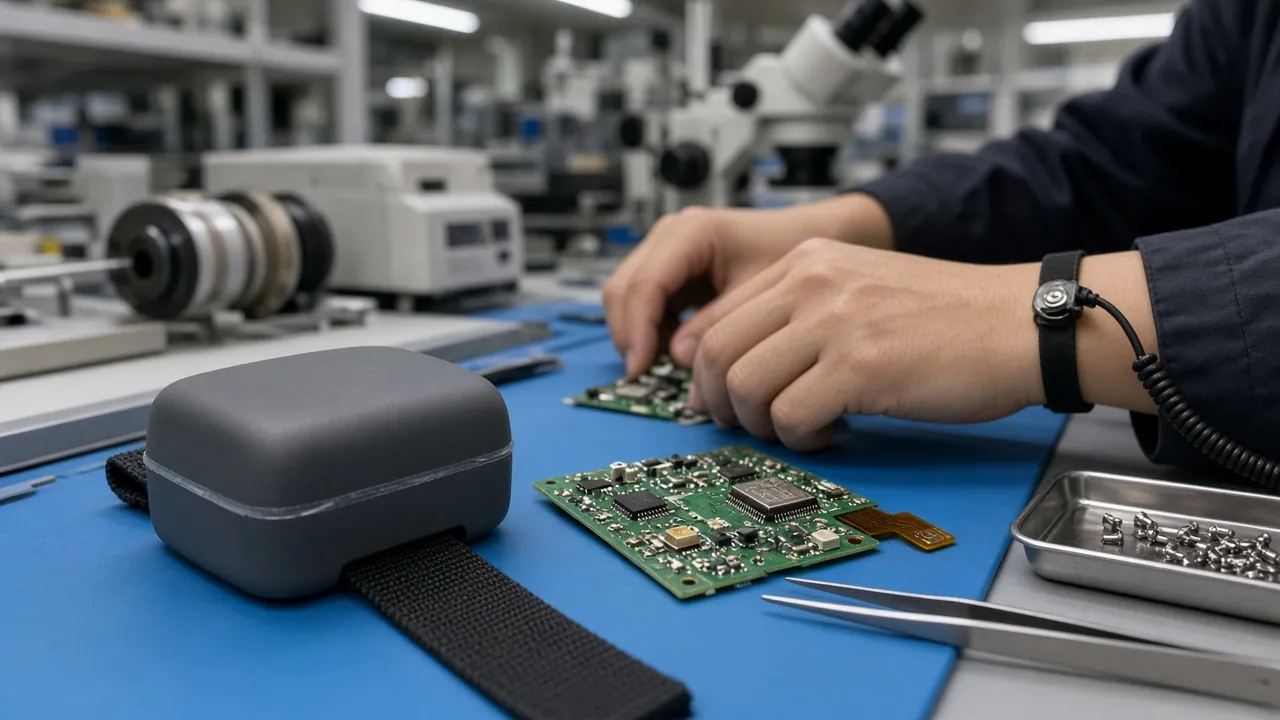
Consumer IoT / Pet Wearables / Smart Collar PCBA + Overmolding + NPI
Do you trust a factory you've never met? Go meet them.
Shenzhen tour · Dec 6–11

Industrial IoT / Environmental Monitoring / Die Casting + PCBA Integration
SentinelIQ, a San Jose-based Series B industrial IoT company, manufactured rugged environmental monitoring sensors for factory floors — measuring temp...
Walk Shenzhen factories with us, Dec 6–11. See the tour
SentinelIQ, a San Jose-based Series B industrial IoT company, manufactured rugged environmental monitoring sensors for factory floors — measuring temperature, humidity, VOCs, particulate matter, and CO2 levels with LoRaWAN connectivity. Their manufacturing was split across three vendors on two continents: a die casting supplier in Taiwan producing A380 aluminum enclosures at $18 each with 12-week lead times, a PCBA house in Shenzhen assembling sensor boards at $9 each, and a US-based assembly contractor performing manual box builds at $7 per unit. The fragmented approach produced a cumulative 14-week lead time, a 5.1% defect rate driven by enclosure-PCBA alignment mismatches and potting failures, and persistent IP67 sealing failures at 3.2% due to enclosure flatness variation. When vendor quality issues arose, finger-pointing replaced problem-solving — the die caster blamed the PCBA design, the PCBA house blamed enclosure dimensional variation, and SentinelIQ absorbed the cost of every rejected lot.
Illuminious consolidated die casting, PCBA assembly, and box build integration into a single Shenzhen facility under one ISO 9001 quality management system. A high-pressure 500-ton die casting press with a 4-cavity mold produced A380 aluminum enclosures with T6 heat treatment for dimensional stability, followed by CNC secondary machining of sealing grooves and mounting surfaces to plus or minus 0.02mm flatness. PCBA assembly occurred on the same factory floor with SMT pick-and-place, reflow profiling for thermal sensitivity, acrylic conformal coating, and 100% functional testing. Box build integration included thermal pad installation, IP67 gasket sealing with controlled compression, cable harness with overmolded M12 connector, sensor chamber potting, and calibrated gas reference testing — all under one unified quality system with CMM inspection, 3D AOI, and positive-pressure leak testing.
The Challenge: SentinelIQ had built a product that industrial customers loved — a rugged, wall-mounted sensor module that monitored temperature, humidity, VOCs, particulate matter, and CO2 on factory floors, transmitting data via LoRaWAN to centralized dashboards. The technology worked. The manufacturing didn't. Their supply chain sprawled across three vendors on two continents, each operating with independent quality systems and conflicting incentives. The Taiwan die caster produced A380 aluminum enclosures at $18 per unit with 12-week lead times, but dimensional variation in the as-cast condition caused persistent alignment issues when the PCBA was installed. The Shenzhen PCBA house assembled sensor boards at $9 each, but had no visibility into enclosure tolerances and couldn't optimize mounting features accordingly. The US assembly contractor performed manual box builds at $7 per unit, but spent half their time reworking parts that didn't fit together — enclosure mounting holes that didn't align with PCBA standoffs, gasket grooves with inconsistent depth causing IP67 sealing failures at a 3.2% rate, and potting compounds that didn't adhere properly to surfaces with residual die release agent.
The result was a 5.1% defect rate, a 14-week cumulative lead time, and $34 per unit in total manufacturing cost — unsustainable for a product targeting 10,000 units annually. Worse, when quality issues surfaced, each vendor pointed at the others. The die caster claimed the PCBA mounting design was flawed. The PCBA house insisted the enclosure dimensions were out of spec. The assembly contractor simply rejected parts and sent SentinelIQ the bill. No single vendor owned the quality outcome, and SentinelIQ's engineering team spent a third of their time acting as referee between suppliers instead of improving their product.
Illuminious consolidated the entire SentinelIQ sensor module manufacturing process — aluminum die casting, PCBA assembly, and box build integration — into a single Shenzhen facility operating under one ISO 9001 certified quality management system. Every process step, from molten aluminum to calibrated sensor testing, occurred under one roof with unified quality accountability. Key elements include:
Per-unit manufacturing cost reduced from $34 to $20 at 10K annual volume through vendor consolidation, design optimization, and defect elimination.
Cumulative lead time cut 43% from 14 weeks through single-facility die casting, PCBA, and box build with parallel NPI processing.
Quality defects reduced 92% from 5.1% — driven by unified quality accountability across all manufacturing processes.
Water ingress failures eliminated through CNC-machined sealing grooves at plus or minus 0.02mm flatness and controlled gasket compression.
Illuminious engineers began with a comprehensive Design for Manufacturing review of SentinelIQ's existing enclosure and PCBA designs. The enclosure, originally designed by SentinelIQ's mechanical team without input from the die caster, featured 4mm solid walls — robust but unnecessarily heavy at 340g. The parting line location caused flash on the critical sealing surface, requiring secondary manual scraping that produced inconsistent gasket seat quality. Illuminious die casting engineers redesigned the parting line to move flash away from the sealing surface entirely, optimized wall thickness to 2.5mm with strategic reinforcing ribs at high-stress mounting points, and redesigned the runner and gate system to reduce porosity in thick sections. EMI shielding features were integrated directly into the enclosure wall geometry, eliminating the separate shielding can that the previous design required. Ejector pin placement was moved away from critical surfaces to prevent cosmetic and functional marking. The redesigned enclosure weighed 210g — 38% lighter — while actually improving structural rigidity through rib placement informed by mold flow simulation analysis.
With the optimized enclosure design approved, Illuminious tooled a 4-cavity production mold in hardened H13 steel for the 500-ton high-pressure die casting press. The mold featured full hot runner systems to reduce material waste and cycle time. A380 aluminum was selected for its excellent castability, pressure tightness, and dimensional stability. After casting, every enclosure underwent T6 heat treatment — solution heat treatment followed by artificial aging — to achieve dimensional stability and eliminate residual internal stresses that could cause warpage over time. This step was absent in the previous vendor's process and was a primary contributor to the dimensional variation that drove alignment issues. Post-heat treatment, CNC machining centers machined the mounting pads flat, cut the sealing groove to depth with plus or minus 0.02mm tolerance, and threaded the cable gland boss. A coordinate measuring machine verified critical dimensions on a statistical sample from each production lot. CMM data confirmed that the combination of T6 treatment and CNC secondary machining held sealing surface flatness at plus or minus 0.015mm — 25% tighter than the plus or minus 0.02mm target.
On the same factory floor, the SMT line assembled SentinelIQ's sensor boards. Reflow profiles were tuned specifically for the thermal sensitivity of the VOC and CO2 sensors, which could drift if exposed to excessive thermal ramp rates. Acrylic conformal coating was applied to protect circuitry from the humidity condensation common in industrial environments. With completed enclosures and tested PCBAs both available within the same facility, box build assembly proceeded without the scheduling delays and shipping damage that had plagued the previous multi-vendor workflow. Each unit received a thermal pad between the processor and the die-cast enclosure — which now featured cast-in heat fins that replaced the external heatsink from the previous design, reducing processor junction temperature by 12 degrees Celsius. IP67 gaskets were installed with controlled compression torque using calibrated torque drivers, eliminating the hand-tight variability of the previous assembly contractor. Cable harnesses with overmolded M12 connectors were installed and strain-relieved. The sensor chamber was potted for environmental isolation, and every unit completed functional calibration using NIST-traceable gas references before laser-marked serial numbers and final QC release. The integrated production line achieved 99.7% IP67 pass rate and 0.4% total defect rate on the first production batch — quality levels that the previous three-vendor approach had never come close to achieving.
"We were spending more time managing supplier conflicts than improving our sensor algorithms. Three vendors meant three quality systems, three sets of tolerances, and three different people to call when something went wrong — which was every week. Illuminious didn't just consolidate our manufacturing under one roof. They redesigned the enclosure to be lighter and cheaper while improving sealing performance. They caught dimensional issues in die casting that our PCBA vendor had been fighting for two years. And they took full ownership of the quality outcome — no more finger-pointing. Our defect rate dropped from 5.1% to 0.4%, our cost per unit dropped 40%, and we stopped losing engineering hours to supplier mediation. That is what integrated manufacturing actually looks like."
One quality system, one quality owner: By consolidating die casting, PCBA, and box build under one ISO 9001 QMS, SentinelIQ eliminated the inter-vendor finger-pointing that had made quality issues unresolvable. When a defect occurred, there was one team responsible for root cause analysis and corrective action — not three vendors trading blame.
Wall thickness redesign: Illuminious engineers reduced enclosure wall thickness from 4mm to 2.5mm with strategic ribs, cutting weight 38% while improving structural rigidity. The parting line was relocated to eliminate flash on sealing surfaces, and EMI shielding features were cast into the enclosure walls — removing a separate shielding can and reducing both material and assembly cost.
Dimensional stability: Post-casting T6 heat treatment — absent in the previous vendor's process — relieved internal stresses and stabilized the enclosure dimensions, eliminating the warpage that had caused PCBA mounting misalignment and gasket compression inconsistency.
IP67 reliability: CNC machining of sealing grooves to plus or minus 0.02mm flatness, combined with controlled gasket compression torque, eliminated the 3.2% water ingress failure rate that had required costly field replacements under warranty.
Processor performance: Cast-in heat fins and a thermal pad interface to the die-cast enclosure reduced processor junction temperature by 12 degrees Celsius, eliminating the need for a separate external heatsink and improving long-term processor reliability.
Faster time-to-production: With die casting mold fabrication and PCBA NPI occurring in parallel within the same facility, the total NPI cycle was compressed from 14 weeks to 8 weeks — enabling SentinelIQ to respond faster to customer demand spikes and new market opportunities.
When your die caster, PCBA house, and assembly contractor each answer to a different quality system, your product pays the price — in alignment failures, sealing defects, lead time bloat, and engineering hours lost to supplier mediation. Illuminious consolidates aluminum die casting, PCBA assembly, and box build integration under one ISO 9001 certified roof, with one quality system and one team accountable for the outcome. Send us your enclosure design and sensor board files — we will show you where you can cut cost, weight, and lead time simultaneously.
"We were spending more time managing supplier conflicts than improving our sensor algorithms. Illuminious consolidated everything under one roof, redesigned our enclosure to be 38% lighter, and cut our defect rate from 5.1% to 0.4%. That is what integrated manufacturing actually looks like."
Consumer IoT / Pet Wearables / Smart Collar PCBA + Overmolding + NPI
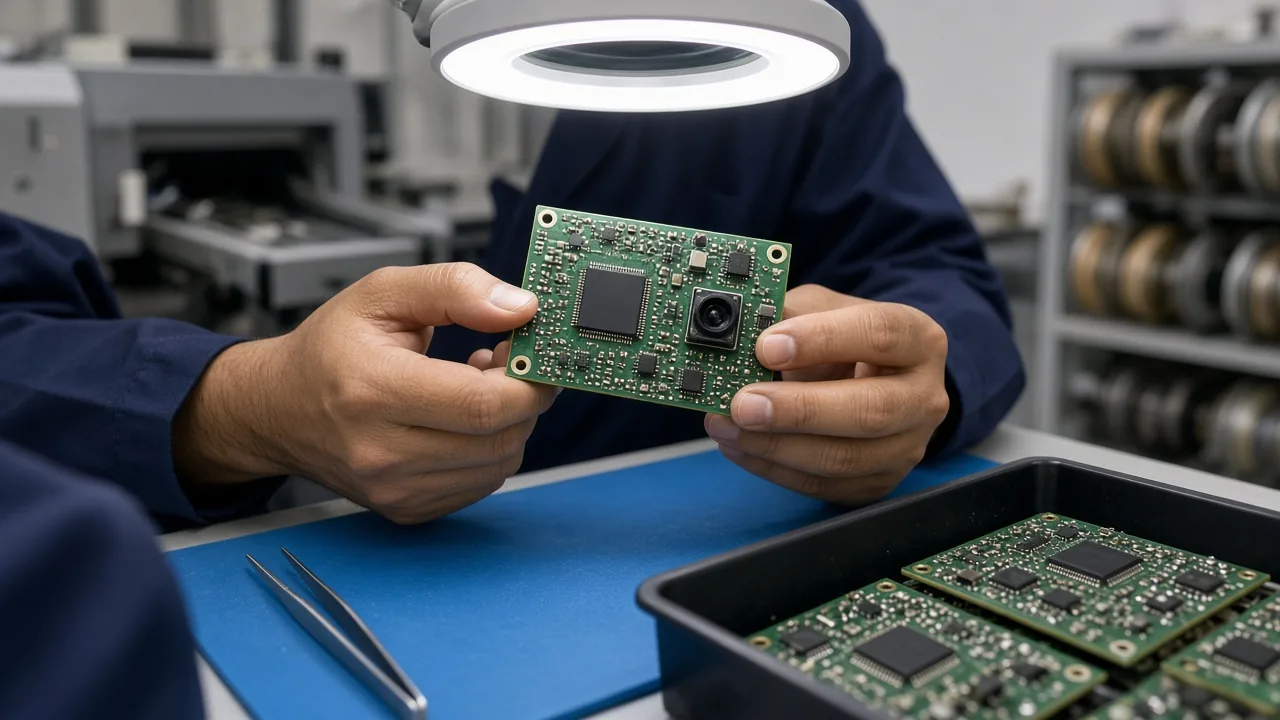
Physical AI / Warehouse Robotics / Edge-AI Perception Module + Quick-Turn PCBA + NPI
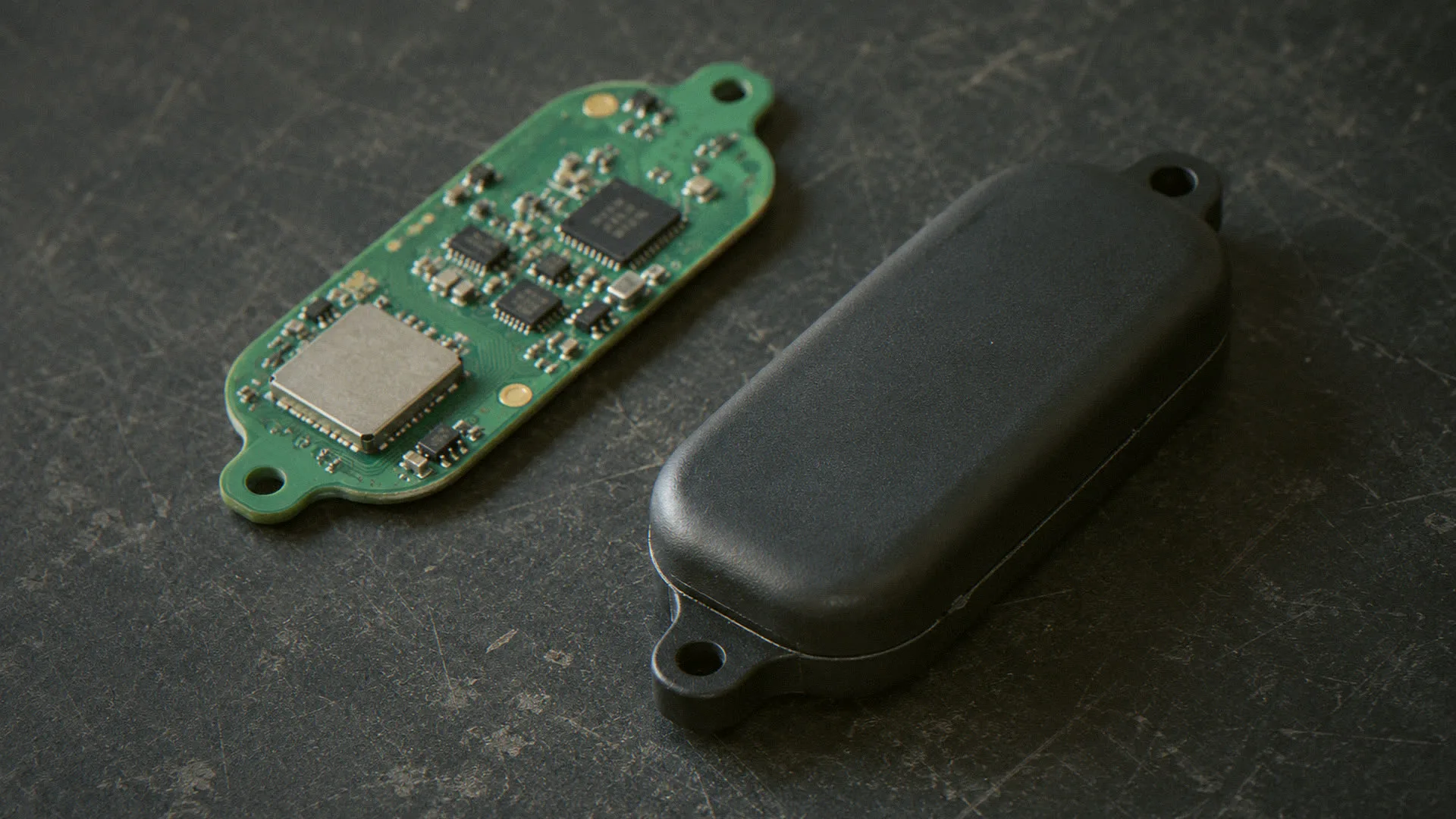
Logistics / Asset Tracking IoT / Overmolded Enclosure + LoRa PCBA + NPI
Let's discuss how we can help your project succeed with our end-to-end manufacturing capabilities.