Physical AI filled the rooms at SF Tech Week 2026 — and the hard questions started right after the demos. From October 5 to 11, San Francisco hosted roughly 1,500 independently organized Tech Week events presented by a16z, with more than 2,300 submissions across SF and the LA week that follows October 12 to 18. Robotics showcases, a Physical AI Hackathon titled From Idea to Factory, and wearables pop-ups put working hardware on tables across the city. For prototype-stage founders, the week did not just celebrate demos. It exposed the manufacturing gap between a hand-built board and a quotable pilot run.
That gap is the story hardware startups cannot ignore this season. A working demo is often five to fifteen pieces assembled by hand. Investors and pilot customers increasingly ask what happens at 100 units: DFM status, lead time, and per-unit economics with real quotes. Teams that arrived with both a live unit and a manufacturing answer advanced conversations. Teams that only had slides or a fragile one-off board stalled when the diligence questions landed.
📋 Key Details
- SF Tech Week window: October 5–11, 2026 — a decentralized, city-wide week presented by a16z with ~1,500 events and dense physical-AI programming.
- LA Tech Week next: October 12–18, 2026 — Silicon Beach and DTLA clustering continue the hardware founder calendar immediately after SF.
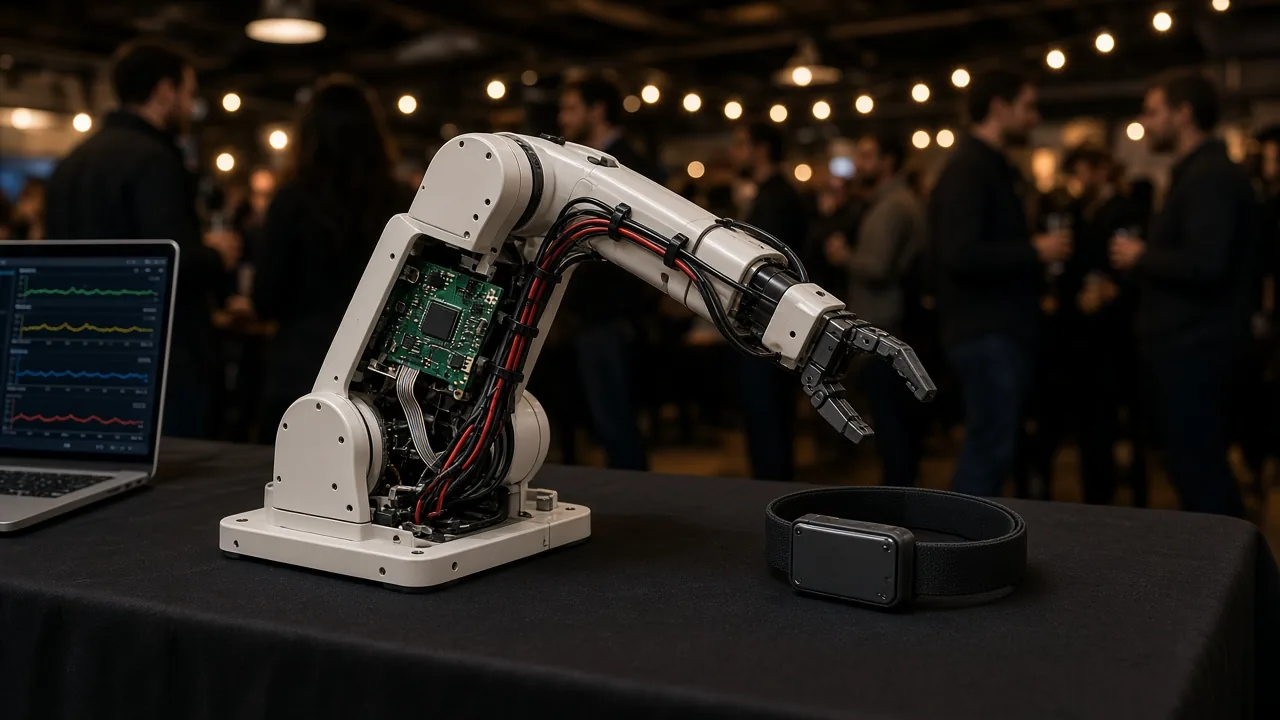
- Physical AI on the calendar: Listed events include the Physical AI Hackathon: From Idea to Factory, SoMa robotics showcases with live prototypes, and wearables pop-ups that put sensor hardware in attendees' hands.
- Capital backdrop: Robotics and physical AI startups have raised $18.8 billion in 2026 so far — already ahead of the $15 billion raised across all of 2025, per Crunchbase — which raises the bar for manufacturing readiness at diligence.
The event-season pattern is consistent with what funded hardware teams already face in the lab. As we covered in our Physical AI funding wave analysis, capital is flowing into robotics and embodied AI faster than factory capacity and NPI discipline are catching up. Tech Week simply made that mismatch visible in public rooms: demos everywhere, pilot-order answers scarce.
🤖 What the rooms showed
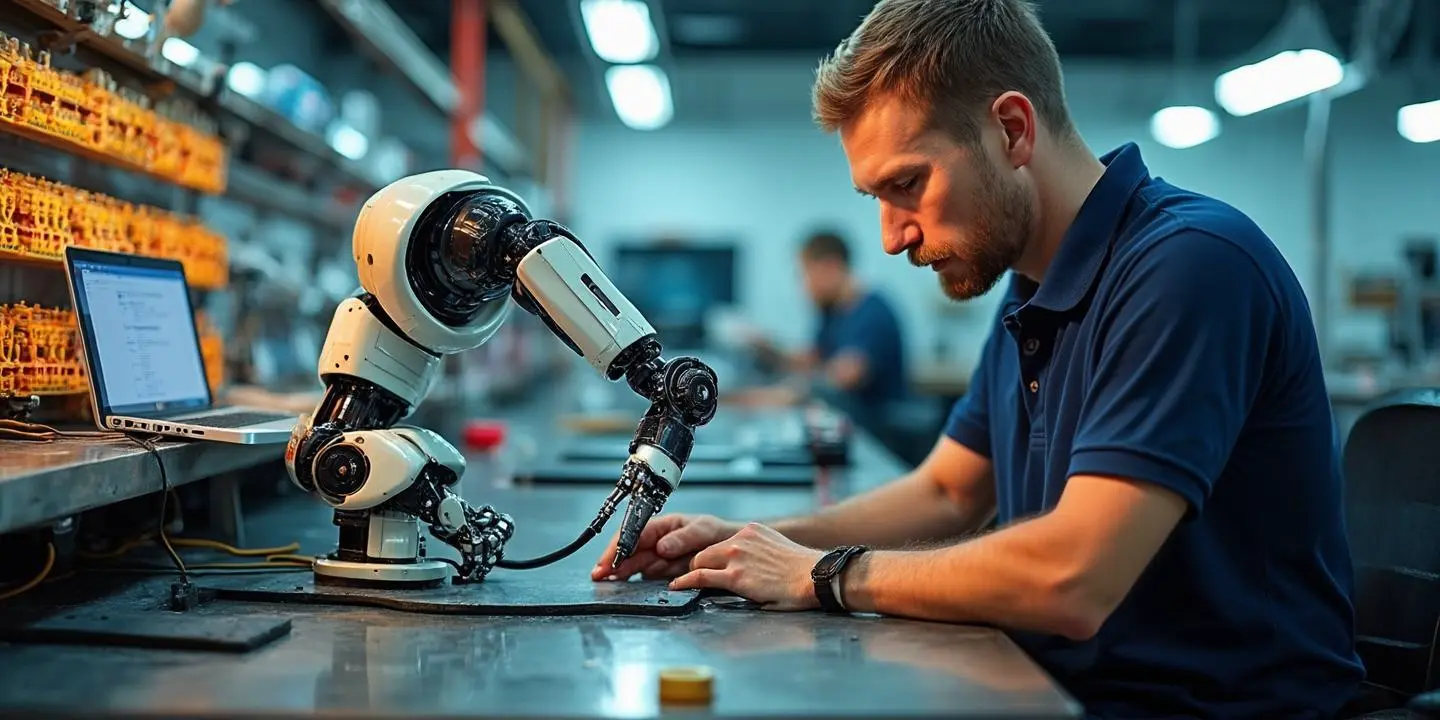
SF week programming put physical AI in the foreground — robotics demo nights and walk-around hardware showcases in SoMa, operator-focused sessions at the Robotics Center, and a From Idea to Factory hackathon aimed at builders who want AI to run on real machines, not only on slides.
⌚ Wearables in the mix
Wearables pop-ups during the week put sensor boards and on-body prototypes in front of founders and investors. Category growth in health wearables, smart glasses, and edge sensing means more teams are pitching devices that must survive flex, RF, and low-volume assembly — not just a booth demo.
📉 The demo-to-pilot cliff
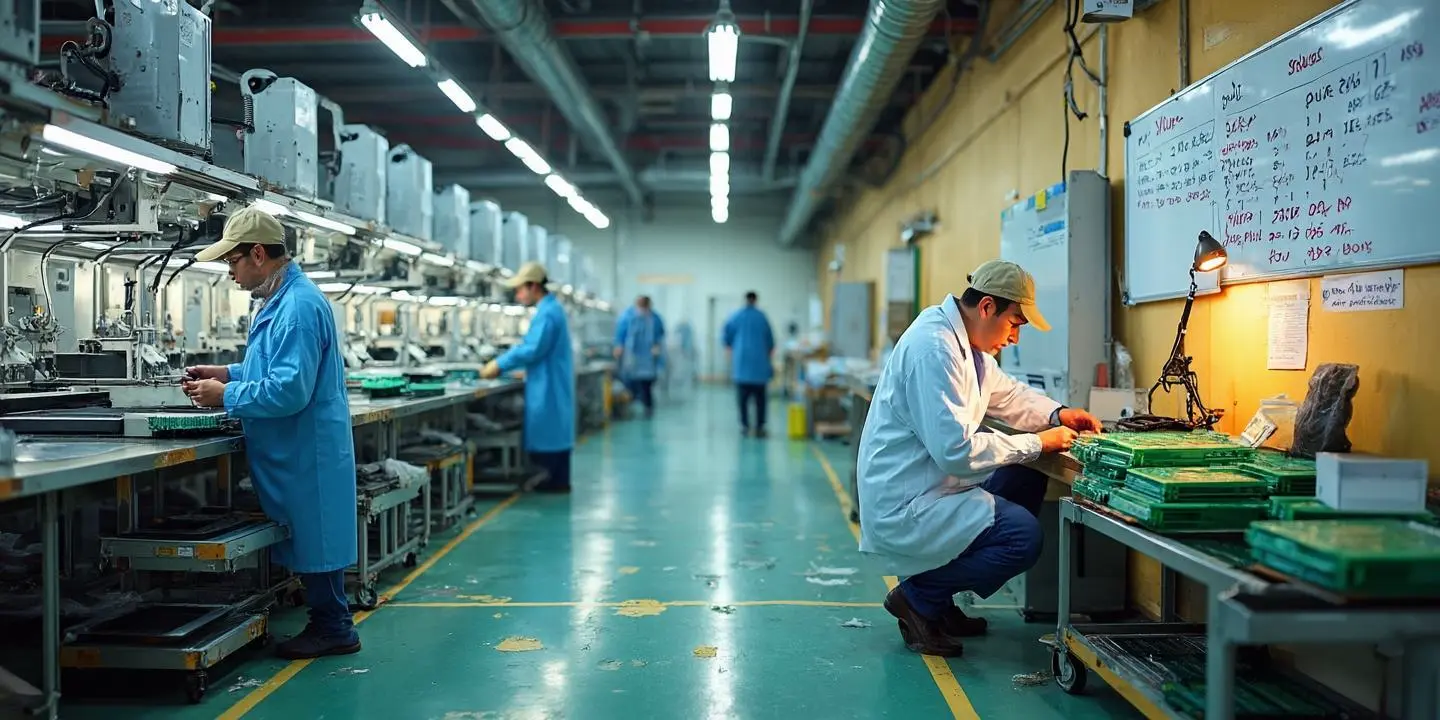
A demo board proves the concept. A pilot order proves the business. The cliff appears when someone asks for 100 units with a lead time and a BOM cost. Hand assembly does not scale; DFM debt and missing test strategy surface immediately.
🗺️ LA week outlook
LA Tech Week runs October 12–18 with hundreds of decentralized events. Hardware founders heading south should treat SF lessons as a checklist: bring the working unit, know the BOM, and have a clear answer for who builds the first 100.
Successful teams this season share a pattern. They demoed — and they could answer manufacturing questions without flinching. A completed 5-piece validation run, a DFM review on file, and a quotable pilot lead time turn a Tech Week conversation from "is it real" into "when can you ship." That is exactly the moment the Startup Bridge Program is built for: no MOQ from 5 pieces, 72-hour quick-turn PCBA, free engineering review before you pay, and a US-based program manager.
🧾 Bring a working unit
Live hardware beats renderings. Vibration, thermal, and RF margins show up on a demo table, not in a pitch deck.
📐 Know your BOM
Investors ask for real component risk. Long-lead PMICs and allocation-sensitive MCUs belong in the pitch, not after it.
🔧 Show DFM status
A completed engineering review signals you have already heard what the factory will reject — and fixed it.
⏱️ Quote pilot lead time
"Who builds your first 100" is now a diligence question. A 72-hour path from CAD to first article is a concrete answer.
🧪 Plan test early
Intermittent demo failures become dead units on stage. Functional test strategy belongs with the first board spin.
📅 30-day post-event frame
Week 1 triage contacts. Week 2 lock DFM and quotes. Week 3 order the 5-piece run. Week 4 return with real lead times.
— Angela Lee, COO at Illuminious"Tech Week rewards the founders who can put a working unit on the table and answer the pilot-order question in the same breath. A demo without a manufacturing path is a conversation starter. A demo plus a 5-piece run and a DFM review is a diligence asset."
For teams still in CAD or on a fragile hand-built board, the practical move is not another pitch deck polish. It is an NPI engineering pass that catches layout and assembly risks before the next demo, then a short PCB assembly run that proves the design can leave the lab. Our guide to 72-hour rapid prototyping from CAD to first article walks through that timeline in detail.
From Demo Rooms to Pilot Ready
Tech Week 2026 put physical AI hardware in front of denser rooms than most founders see all year — and it raised the manufacturing bar in the same breath. The winners of this season will not be the teams with the flashiest booth alone. They will be the teams who can say: 5-piece run done, DFM reviewed, pilot lead time quotable.
Building toward a demo or a first pilot? Illuminious partners with prototype-stage hardware startups through the Startup Bridge Program — no MOQ from 5 pieces, 72-hour quick-turn PCBA, free engineering review, and US-based PM support across Shenzhen and Batam. Talk to our team or start with the startup manufacturing overview.