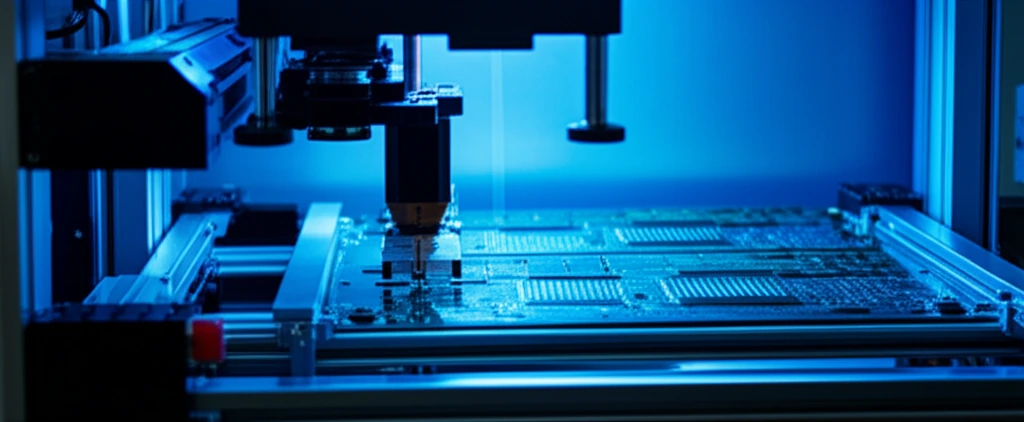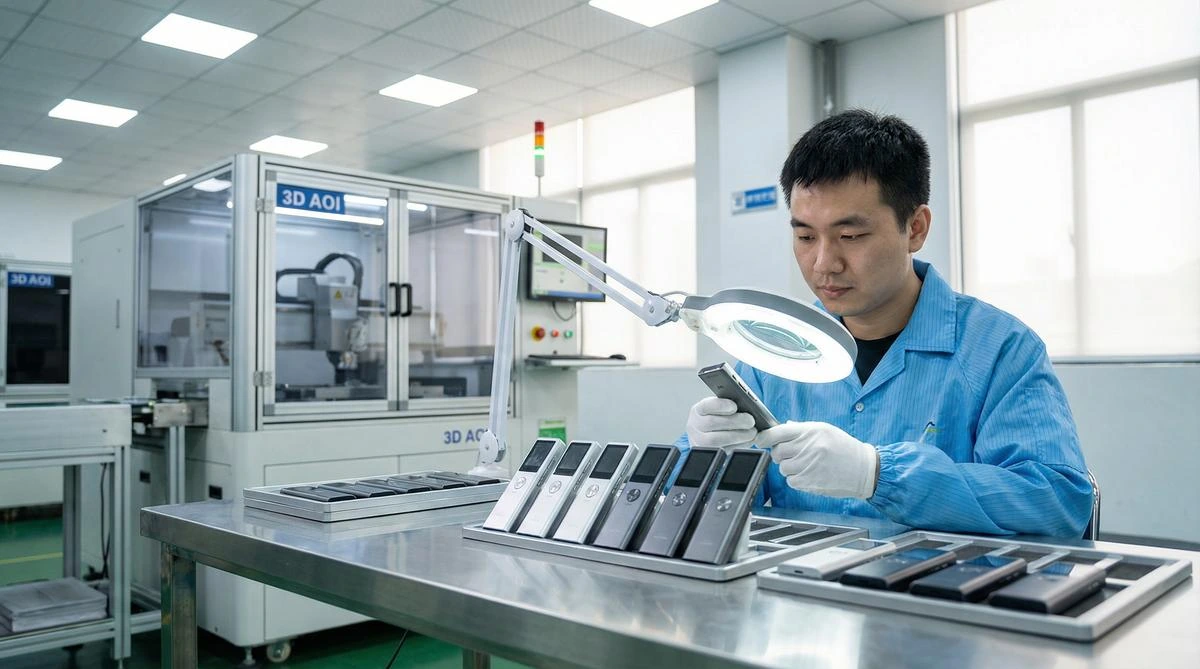
Ensuring the reliability of Printed Circuit Board Assemblies (PCBAs) is the cornerstone of modern electronics manufacturing. From complex medical devices to everyday consumer gadgets, rigorous testing at every stage of production is not just a quality control measure—it's a critical process that guarantees performance, safety, and longevity. A flawless PCBA is the result of a meticulous and multi-faceted testing strategy designed to catch every potential flaw before it reaches the end-user.
The Imperative of PCBA Testing
PCBA testing is an indispensable part of the manufacturing process that identifies and rectifies defects early, preventing costly field failures and product recalls. It ensures that every component functions according to its design specifications, safeguarding product quality and brand reputation.
Core PCBA Testing Methodologies
A comprehensive testing strategy employs a combination of methods to ensure maximum coverage. Here are some of the most critical tests that form the foundation of a robust quality assurance program:
1. In-Circuit Testing (ICT)
ICT is a powerful, automated method that uses a bed-of-nails fixture to make contact with test points on the PCB. It quickly detects shorts, opens, and incorrect component values, providing precise diagnostic feedback to accelerate repairs.
2. Flying Probe Testing
Ideal for prototypes and low-volume production, flying probe testing uses two or more robotic probes to access component pins directly. This fixtureless method offers high flexibility and low initial cost, making it perfect for early-stage validation.
3. Functional Testing (FCT)
FCT verifies that the PCBA performs its intended functions. By simulating the final operating environment, this test provides a pass/fail assessment of the board's real-world performance, ensuring it meets all design requirements.
4. Automated Optical Inspection (AOI)
AOI uses high-resolution cameras to scan the PCBA and compare it to a detailed schematic. It excels at identifying visual defects such as missing components, incorrect polarity, and soldering issues with exceptional speed and accuracy.
A Closer Look at Advanced Inspection Techniques
For high-density and complex assemblies, more advanced inspection methods are required to ensure complete fault coverage.
X-Ray Inspection (AXI)
AXI provides a non-destructive way to inspect hidden solder joints, such as those on Ball Grid Arrays (BGAs) and other leadless packages. It can detect voids, bridges, and other defects that are invisible to optical inspection.
Solderability Testing
This test evaluates how well component leads and PCB pads can be wetted by solder. It ensures strong and reliable solder joints, which are essential for long-term product reliability.
Contamination Testing
Ionic residues from the manufacturing process can lead to corrosion and electrical failures. Contamination testing detects and quantifies these residues, ensuring the long-term integrity of the assembly.
Aging and Reliability Testing
By subjecting the PCBA to accelerated life-cycle conditions, including temperature and humidity cycling, aging tests can uncover latent defects and provide valuable data on the product's long-term reliability.
Reduced Costs
Catching defects early in the production cycle is far less expensive than dealing with field returns and warranty claims.
Improved Quality
A multi-stage testing process ensures that only high-quality, reliable products leave the factory.
Enhanced Reputation
Delivering consistently reliable products builds customer trust and strengthens your brand's reputation for quality.
"Quality is not an act, it is a habit. In electronics manufacturing, that habit is forged through relentless testing and a commitment to perfection."– Manufacturing Industry Expert
Choosing the Right Testing Strategy
The optimal testing strategy depends on several factors, including production volume, board complexity, and the cost of failure. For many applications, a combination of methods is the most effective approach.
In-Circuit Testing (ICT)
- High initial fixture cost
- Fast test times
- Ideal for high-volume production
- Provides detailed diagnostics
Flying Probe Testing
- Low initial cost
- Slower test times
- Ideal for prototypes and low-volume
- Highly flexible and adaptable
Key Takeaways
- A robust PCBA testing strategy is essential for ensuring product quality, reliability, and safety.
- A combination of testing methods, including ICT, AOI, and FCT, provides the most comprehensive fault coverage.
- Advanced techniques like X-ray inspection are critical for complex, high-density assemblies.
- The right testing strategy can significantly reduce manufacturing costs and enhance brand reputation.