As 2026 approaches, the manufacturing sector is at a pivotal moment. The relentless push for operational efficiency is now inextricably linked with a global imperative for environmental stewardship. Sustainable manufacturing is no longer a niche interest but a core business strategy, driving innovation, resilience, and a new competitive edge. This article explores the key trends and best practices that will define the landscape of sustainable production in the coming year.
The Future is Green
Sustainable manufacturing is not just about reducing carbon footprints; it's a comprehensive approach to creating value, minimizing waste, and building a resilient enterprise that is prepared for the circular economy of tomorrow.
Circular Economy Integration
Designing products for longevity, repairability, and recyclability is becoming a primary focus. This closes the loop on product lifecycles and reduces reliance on virgin materials.
Smart Factory & AI
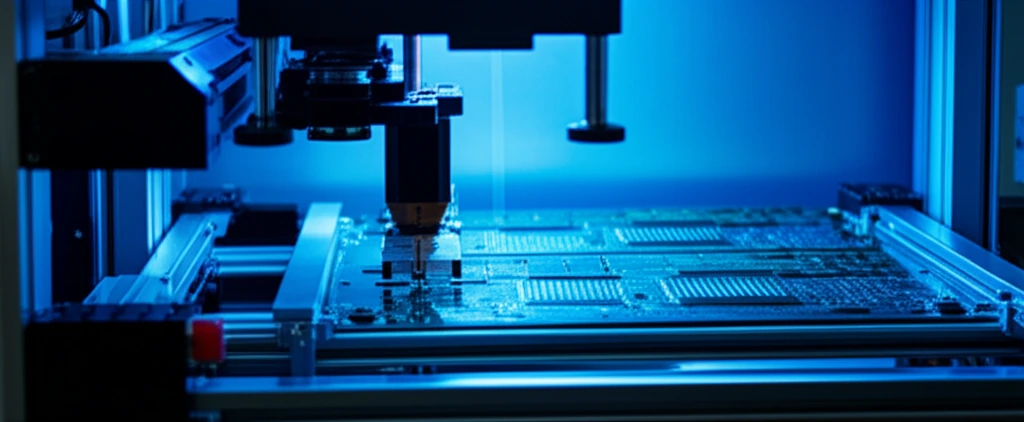
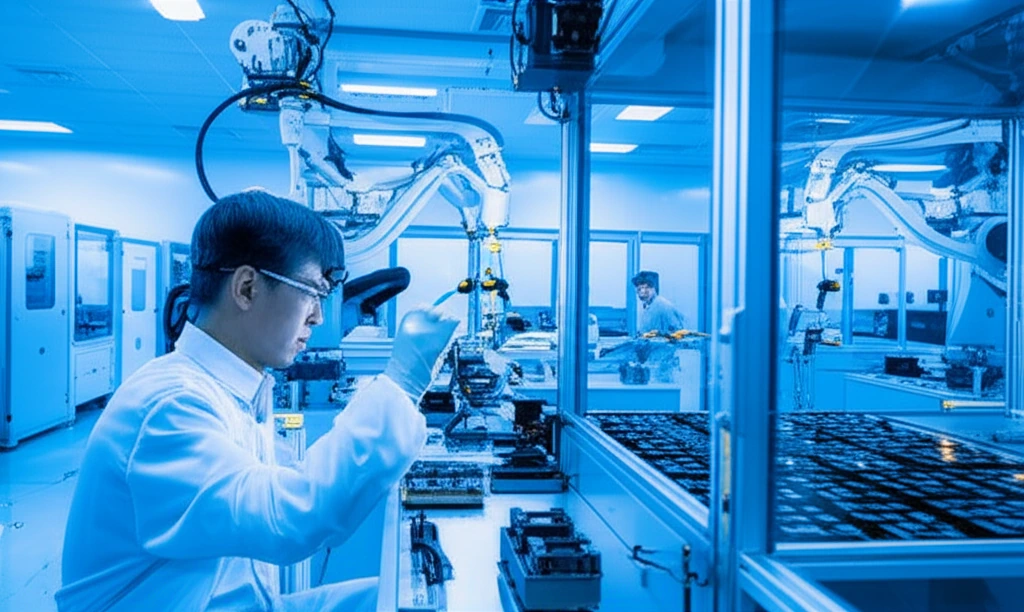
AI-powered analytics and IoT sensors are enabling real-time monitoring of energy consumption, waste production, and resource allocation, allowing for unprecedented levels of optimization.
Renewable Energy Adoption
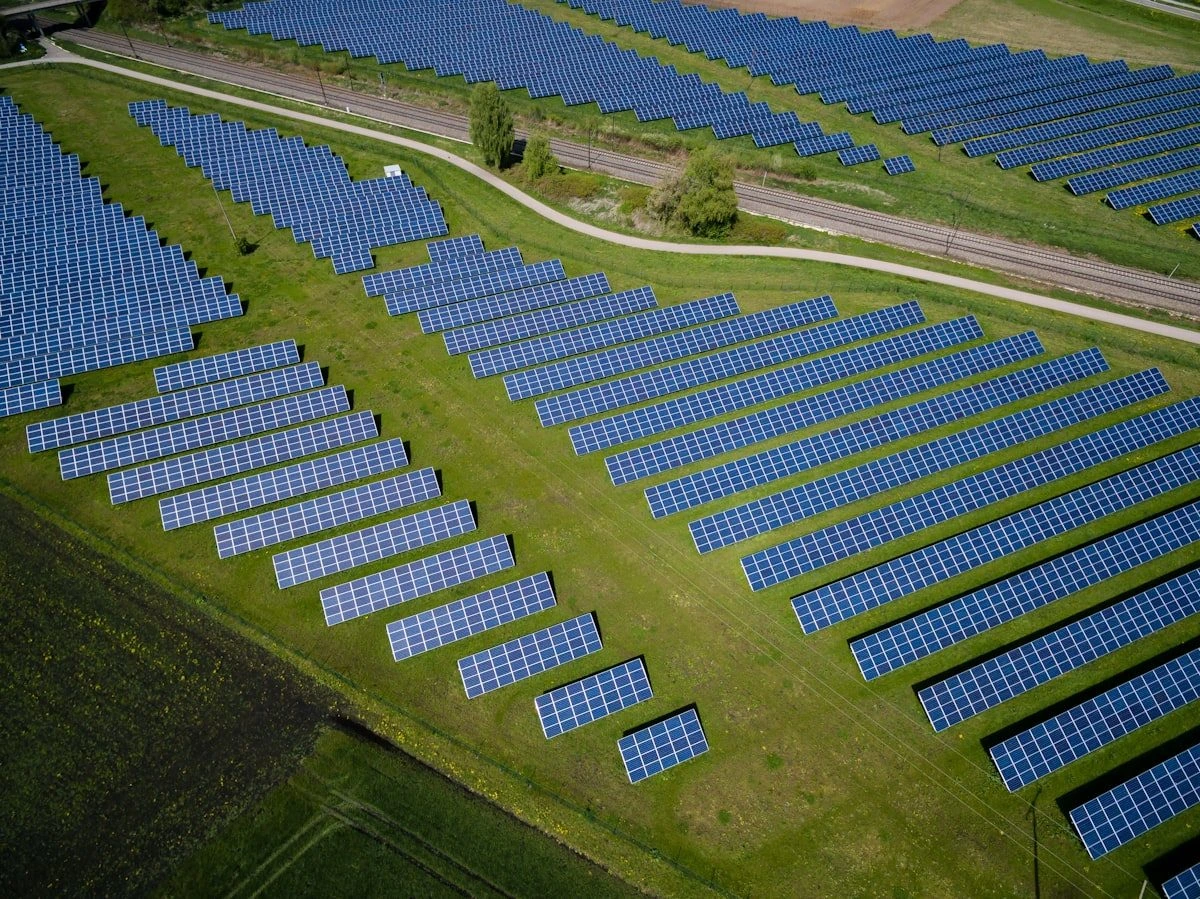
On-site generation through solar and wind, combined with strategic procurement of green energy, is drastically cutting down the carbon footprint of manufacturing operations.
Supply Chain Transparency
Blockchain and other technologies are providing end-to-end visibility into supply chains, ensuring ethical sourcing and environmental compliance from all suppliers.
1. Assess & Audit
Conduct a thorough audit of current operations to identify areas of high waste, energy consumption, and environmental impact.
2. Strategize & Set Goals
Develop a clear sustainability strategy with measurable goals, such as a 20% reduction in water usage by 2027.
3. Implement & Innovate
Invest in new technologies, retrain your workforce, and redesign processes to meet your sustainability targets.
4. Monitor & Report
Continuously track your progress against your goals and report transparently to stakeholders to build trust and accountability.
Enhanced Brand Reputation
Consumers and partners are increasingly prioritizing companies with strong environmental credentials.
Increased Operational Efficiency
Waste reduction and energy optimization lead to significant cost savings and leaner operations.
Future-Proofing the Business
Adapting to the green economy now ensures long-term resilience against regulatory changes and market shifts.
The companies that will lead in the 21st century are those that integrate sustainability into their core business strategy. It's not just a responsibility; it's an opportunity.John Elkington, Author & Sustainability Expert
Key Takeaways for 2026
- Sustainability is a key driver of competitive advantage.
- Technology and data are at the heart of modern sustainable manufacturing.
- A holistic approach, from product design to supply chain, is essential.
- Transparency and reporting are crucial for building stakeholder trust.