Selecting a contract manufacturer (CM) is one of the most consequential decisions an original equipment manufacturer (OEM) makes. It shapes your product quality, your supply chain risk, your time to market, and ultimately your ability to scale.
Step 1: The Journey
A strong EMS partner should be able to clearly explain how they will support your product from first contact through long-term production. This typically follows a structured flow from RFP to DFM Review, Pilot Build, Ramp-Up, Quality, Delivery, Optimization, and Support.
Step 2: Strategic Partnership
Look for a strategic partner, not just an outsourcing hub. OEMs increasingly need partners who bring a co-development mindset, are willing to share risk, and actively collaborate on engineering decisions.
Step 3: Supply Chain Resilience
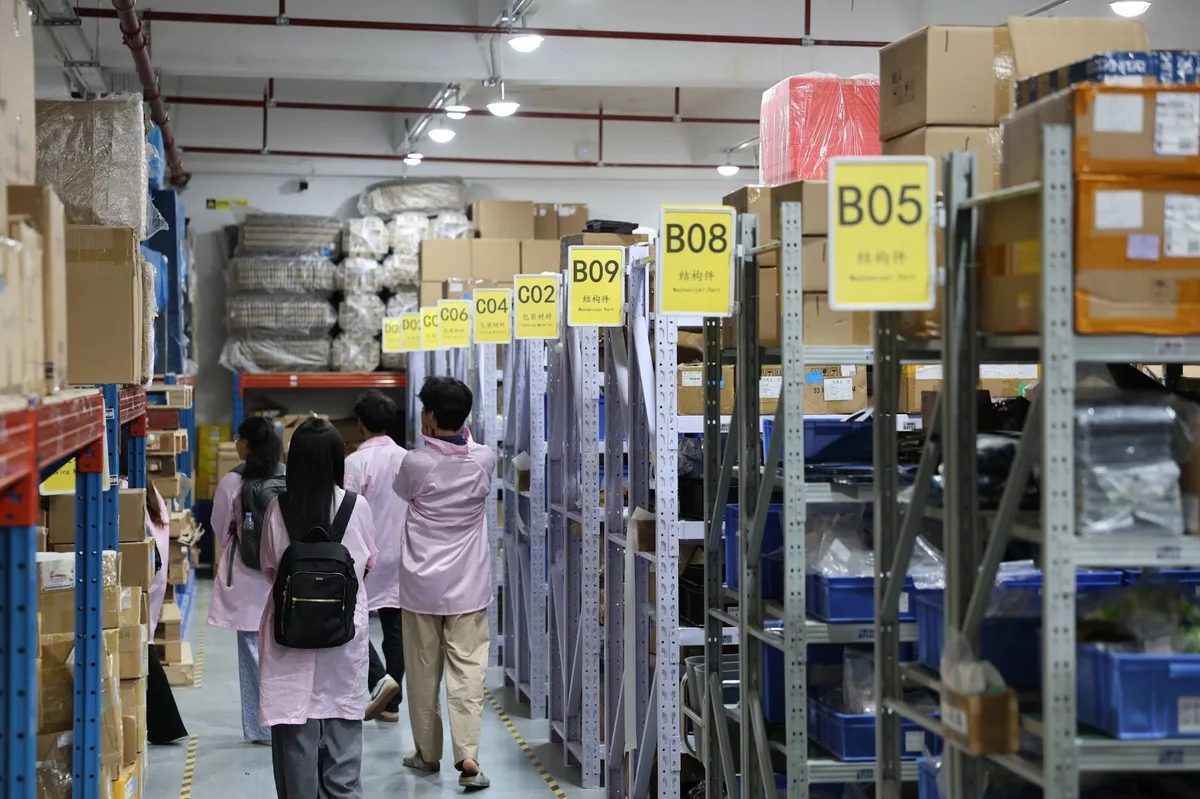
Prioritize supply chain resilience and risk mitigation. The right EMS partner should help you manage risk, not amplify it, especially in the face of component shortages and obsolescence.
Step 4: Technology and Automation
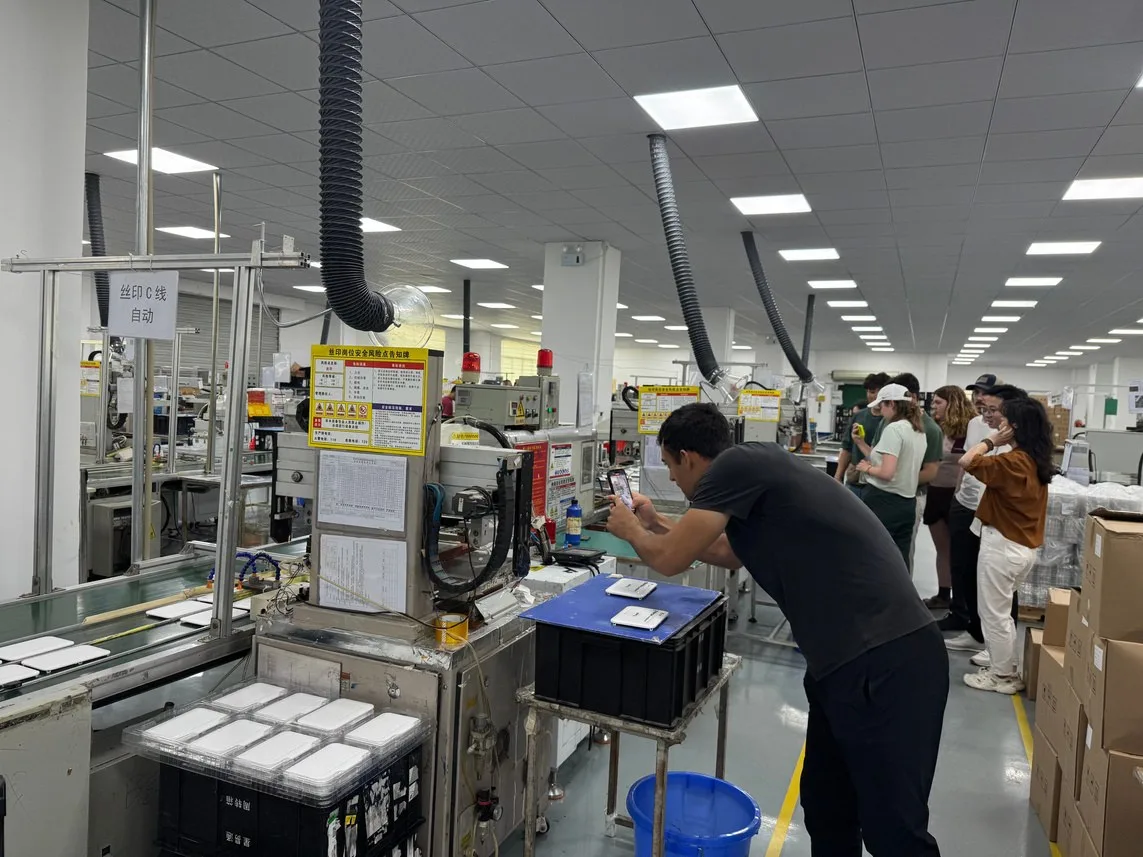
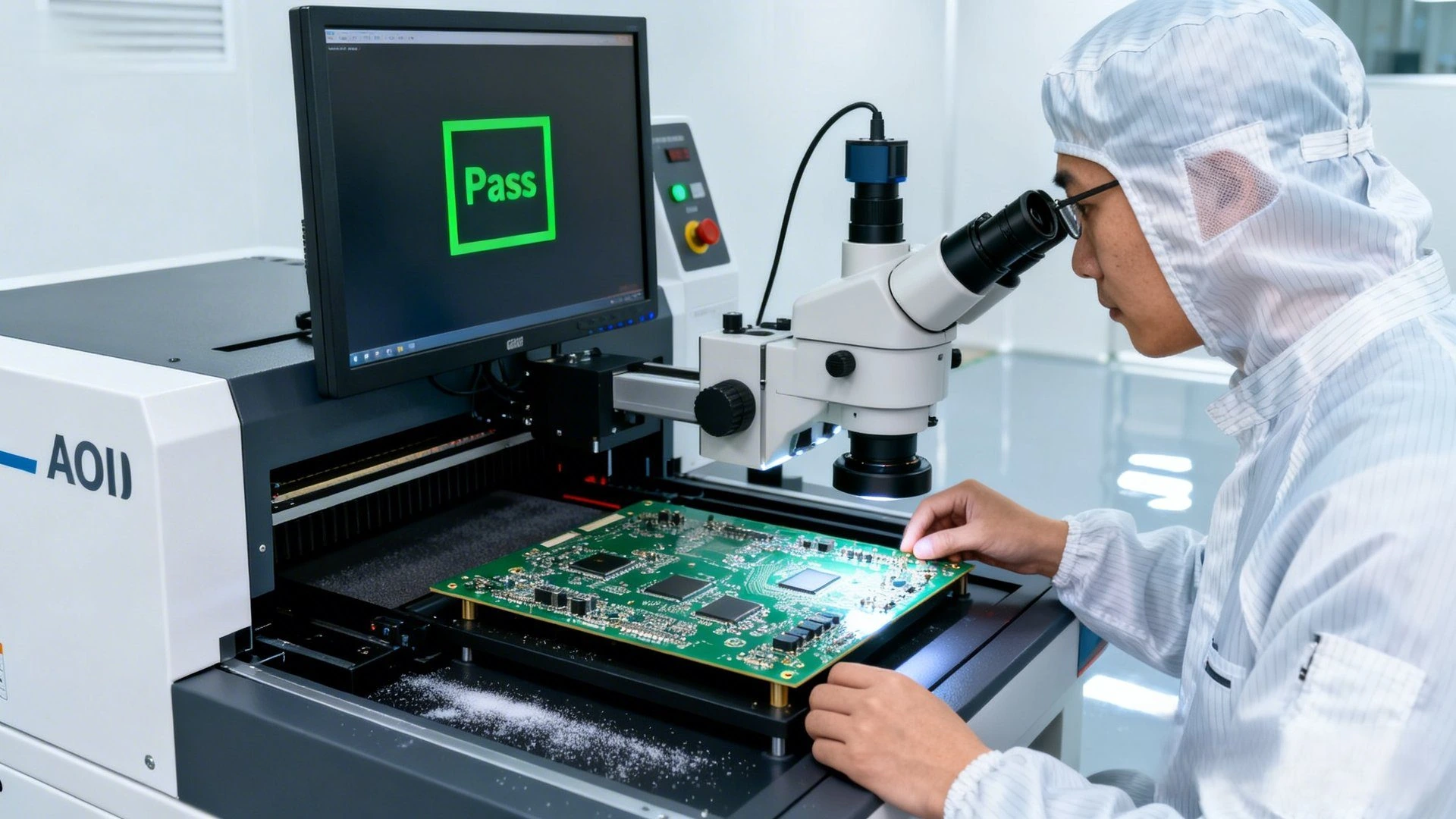
Assess technology sophistication and automation capability. Look for evidence of tier-1 SMT capabilities, advanced inspection tools, and meaningful use of automation.
Beyond the Quote: A Partnership Mindset
The strongest EMS relationships are built on collaboration, shared accountability, and aligned incentives, not just cost and capacity. A simple way to test this is to ask how the contract manufacturer would handle an unexpected component shortage, a field failure, or a sudden spike in demand. Their response should reflect partnership and problem-solving, not a purely transactional mindset.
Component Shortages & Obsolescence
How do they handle allocation constraints? Do they have experience qualifying alternative parts? Can they support component risk assessments early in the design?
Broker Part Risk Management
If broker parts are unavoidable, your CM should have rigorous incoming inspection, component authentication processes, and a clear escalation path when risks are identified.
Regional Manufacturing Advantage
Working with an EMS partner that operates in both Canada and the U.S. can reduce geopolitical and logistics risk, improve flexibility in allocation and fulfillment, and support North American nearshoring strategies.
Structured DFM Process
The best contract manufacturers treat Design for Manufacturability (DFM) as a core part of how they operate, with embedded and advanced DFM reviews to reduce rework, scrap, and time to production.
Scale for the Mid-Market
The best CM partners for mid-market OEMs combine technical depth with practical, hands-on collaboration, and are agile enough to avoid enterprise bureaucracy.
Quality Beyond Certifications
Certifications are important, but quality should be embedded into the process from start to finish, not treated as a separate function that only steps in at the end.
Expect More Than Execution
A true manufacturing partner will bring ideas to the table and challenge assumptions in a constructive way, rather than just following instructions.
Key Takeaways
- Choosing an EMS partner is a long-term strategic decision.
- Look for a partner that offers a clear end-to-end process.
- Supply chain resilience and risk mitigation are critical.
- Technology, automation, and a structured DFM process are signs of a sophisticated partner.
- The right partner will act as an extension of your team.
The right EMS provider should feel less like a factory and more like an extension of your own team. They should bring manufacturing expertise, operational discipline, and strategic foresight to your product journey.Manus AI