Last reviewed: October 17, 2026. This post is general information, not legal advice. For contracts and filings in China, work with a lawyer qualified in Chinese law.
IP preparation before a factory visit means the steps a hardware founder takes to protect designs, brand and know-how before showing them to a manufacturer: registering trademarks early, signing an agreement that works in China, sharing only what each supplier needs, and making the design ready for manufacturing (DFM). Done well, it protects you and gets better quotes.
The short version
File your trademark in China early. Use an NNN agreement written for enforcement in China, not a generic NDA. Share drawings by need-to-know. Send a DFM-ready package so the factory can quote what you will actually build.
Why is IP protection different when you work with factories in China?
Many founders bring a standard NDA from home. It is rarely the right tool. Two features of the system in China matter most for a first visit.
First, trademarks are first-to-file. The EU's China IP SME Helpdesk explains that China operates a first-to-file system, where the first valid applicant owns the mark, in its China FAQ (accessed October 17, 2026). Registration in the US or the EU does not protect your brand in China by itself.
Second, enforcement happens locally. An agreement that a court in China can enforce, in Chinese, with a Chinese court or arbitration venue, gives you more practical protection than one that points to a court at home. The UK Intellectual Property Office noted (September 8, 2017) that IP rights are territorial and should be registered in China if you do business there.
What is an NNN agreement and why use one instead of an NDA?
An NNN agreement covers non-disclosure, non-use and non-circumvention. The China IP SME Helpdesk describes it in the same FAQ, and the law firm Harris Sliwoski explains why a China-specific NNN matters more than a Western NDA.
- Non-disclosure: the factory may not share your information.
- Non-use: the factory may not use your design to make products for itself or others.
- Non-circumvention: the factory may not go around you to sell to your customers or deal directly with your other suppliers.
Ask your lawyer for a bilingual NNN with Chinese as the governing language, a clear damages clause and a dispute venue in China. Sign it before you send drawings, not after the visit.
What should you file before you visit?
- Trademarks: your brand name and logo, and consider a Chinese-language version of the name. File in the classes you will sell in.
- Patents or designs: if your product has a patentable invention or a distinctive design, ask your patent lawyer about filing in China and about the timing relative to any public disclosure.
- Customs recordal: once you hold registered rights, ask your lawyer whether recording them with customs makes sense for your product.
How much should you show a factory?
Think of every file as something that may be forwarded. Ask what the supplier needs to give you an accurate quote, and send that and nothing more. You can always share more later, once you trust the relationship.
Share by need-to-know. An enclosure supplier needs the enclosure drawings, not your firmware. A board assembler needs Gerber files and a BOM, not your industrial design renderings. Splitting work across suppliers also limits what any one of them can copy.
- Mark every file confidential and number each version.
- Keep a log of what you sent, to whom and when.
- Use a data room with access logs instead of email attachments where you can.
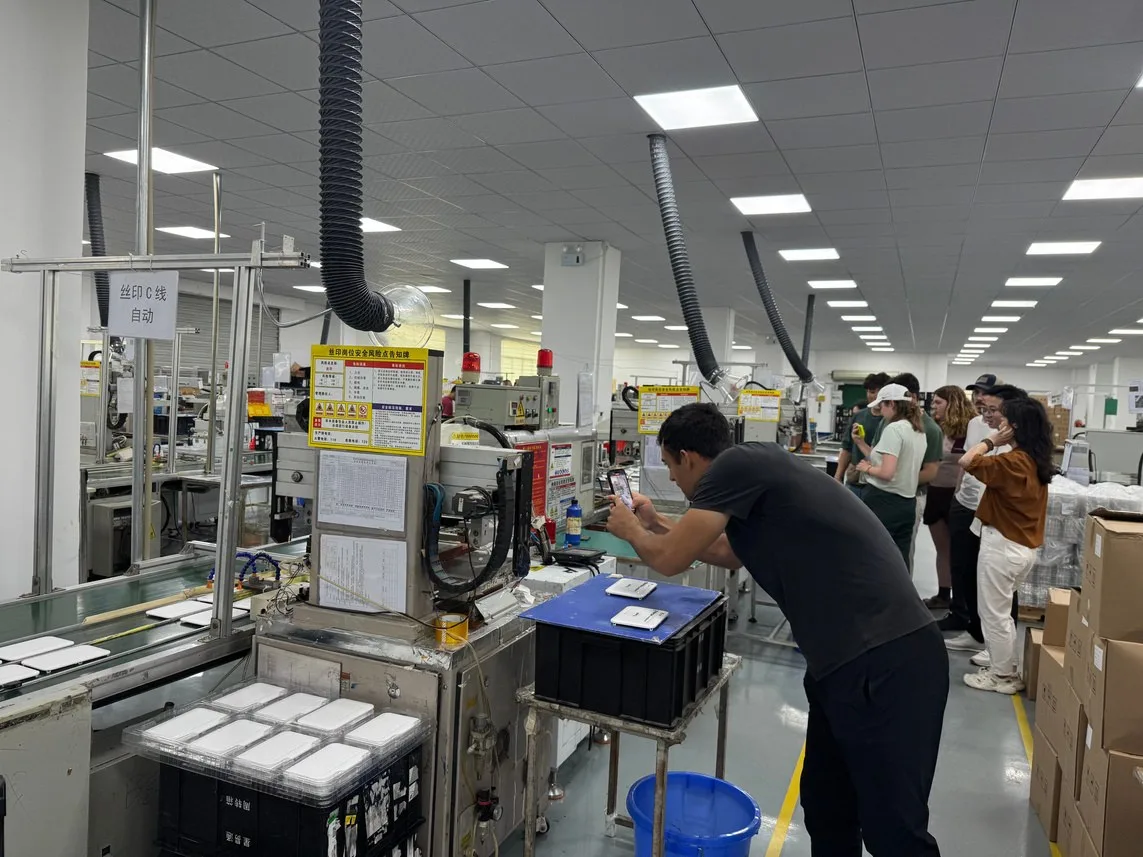
- Do not show unreleased products during a factory walk-through unless the host has signed.
- Respect the factory's own confidentiality: never photograph other customers' products.
Who owns the tooling?
Molds and test fixtures are often paid by the customer but kept at the factory. Write ownership into the contract: who owns each mold, where it is stored, that it may not be used for anyone else, and how you can move it to another factory. Mark molds with your ownership where the factory agrees. Our guide to injection molding for electronics housings covers tooling choices in more detail.
What is DFM and why do it before the visit?
Design for manufacturing (DFM) is the review of a design to make it easier, cheaper and more reliable to produce. Doing a first DFM pass before you visit changes the conversation. The factory can quote what you will really build, and you spend the visit on real trade-offs instead of basic fixes.
- Plastics: consistent wall thickness, draft angles, sensible rib design, gate and parting-line locations.
- Boards: standard stack-ups, available parts with second sources, test points, panelization.
- Assembly: fewer screws and cables, parts that only fit one way, clear assembly order.
- Test: how each unit will be tested at the end of the line, and what fixture that needs.
- Cosmetics: a written spec for finish, color and acceptable defects.
Our DFM guide for hardware startups goes through each point with examples.
What should a first visit agreement and package include?
- A signed bilingual NNN agreement.
- A short company and product summary.
- The part-specific drawings or files that supplier needs, marked confidential.
- Your DFM notes and open questions.
- Your expected volumes and timeline.
For how to plan the whole trip, read your first Shenzhen factory trip: a checklist and how to find a manufacturer in Shenzhen. The Shenzhen Hardware Founder Playbook 2026 brings all of these steps together.
What red flags should you watch for during a visit?
Most factories treat customer IP with care, because their business depends on it. A few signs suggest you should slow down.
- The host refuses any written agreement before seeing your drawings, or wants to sign only after the visit.
- You see other customers' unreleased products on open display. If they show you someone else's design, they may show yours.
- The factory cannot say who owns the molds it runs, or gets vague about tooling contracts.
- The business license does not match the company name on the quote or the bank account for payment.
- The quote is far below others for the same specification, with no clear reason.
- The factory pushes you to skip samples and move straight to a production order.
None of these alone proves bad intent. Each one is a reason to ask more questions, check the company again on the official registry and, if needed, walk away.
Learn how factories work before you share your design
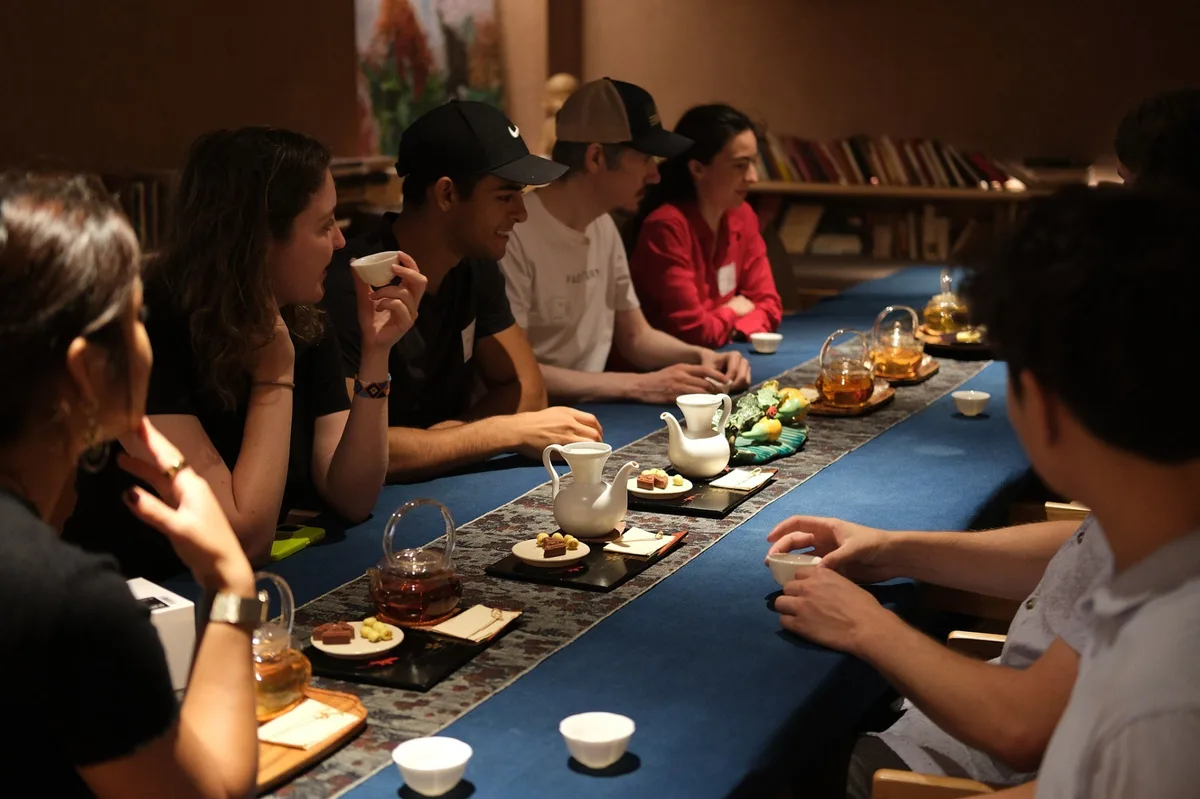
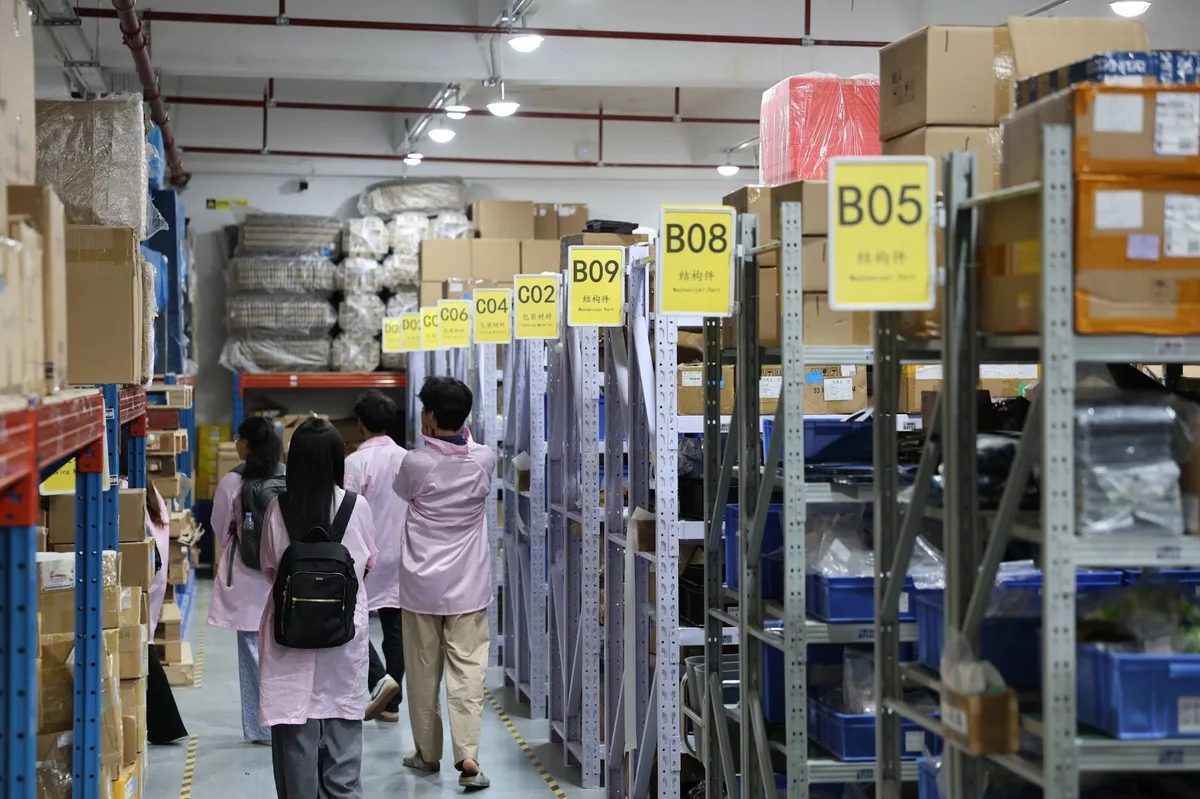
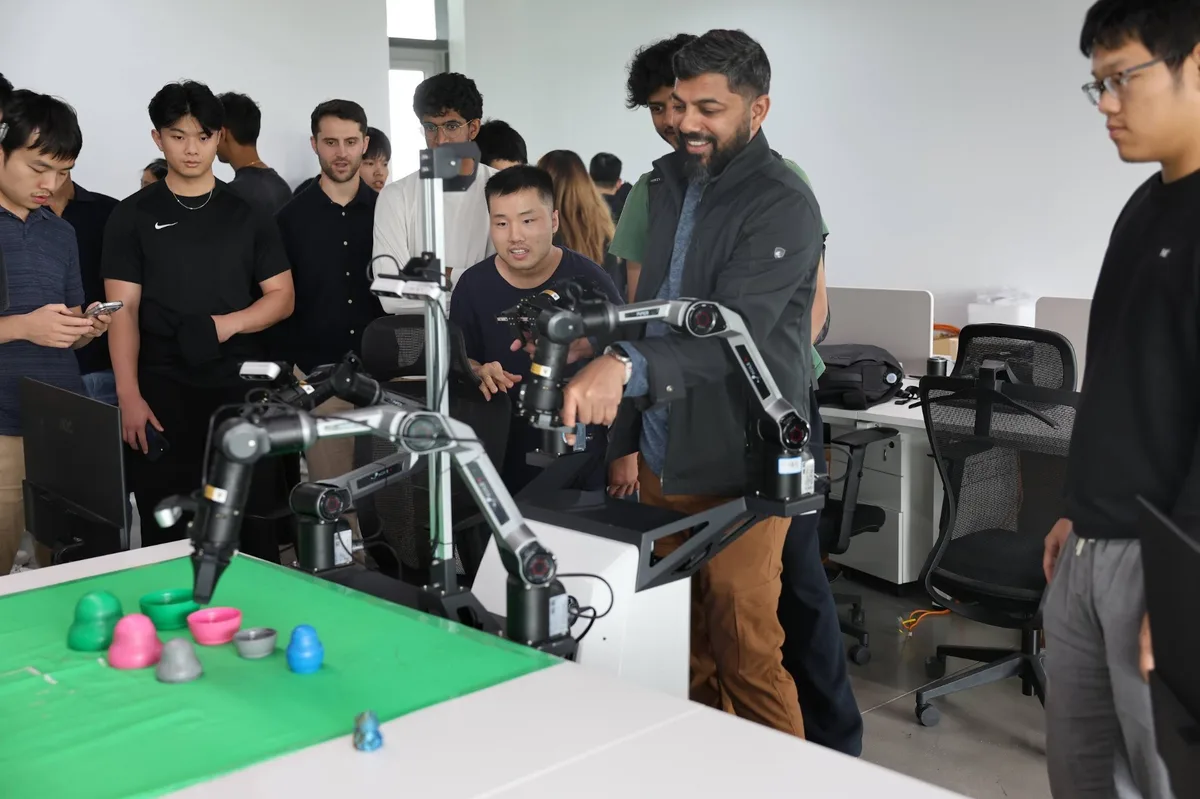
On the Future Factory × Illuminious: Shenzhen Founder Tour (December 6–11, 2026), founders see 10+ factory and lab types and hear how sourcing works in practice, before they choose a supplier. A licensed Future Factory program, hosted by Illuminious.
Frequently asked questions
Is a US or EU NDA enough to protect my design in China?
Often not. A bilingual NNN agreement with Chinese governing language and a venue in China is usually more practical to enforce. Ask a qualified lawyer.
When should I register my trademark in China?
Before you share your brand with factories or distributors in China. China uses a first-to-file system for trademarks.
Do factories sign NNN agreements?
Many do, especially when the request is clear, bilingual and reasonable. A refusal is useful information in itself.
Should I do DFM before or after choosing a factory?
Do a first pass before, so quotes compare like for like. Then do a second pass with the chosen factory's engineers.