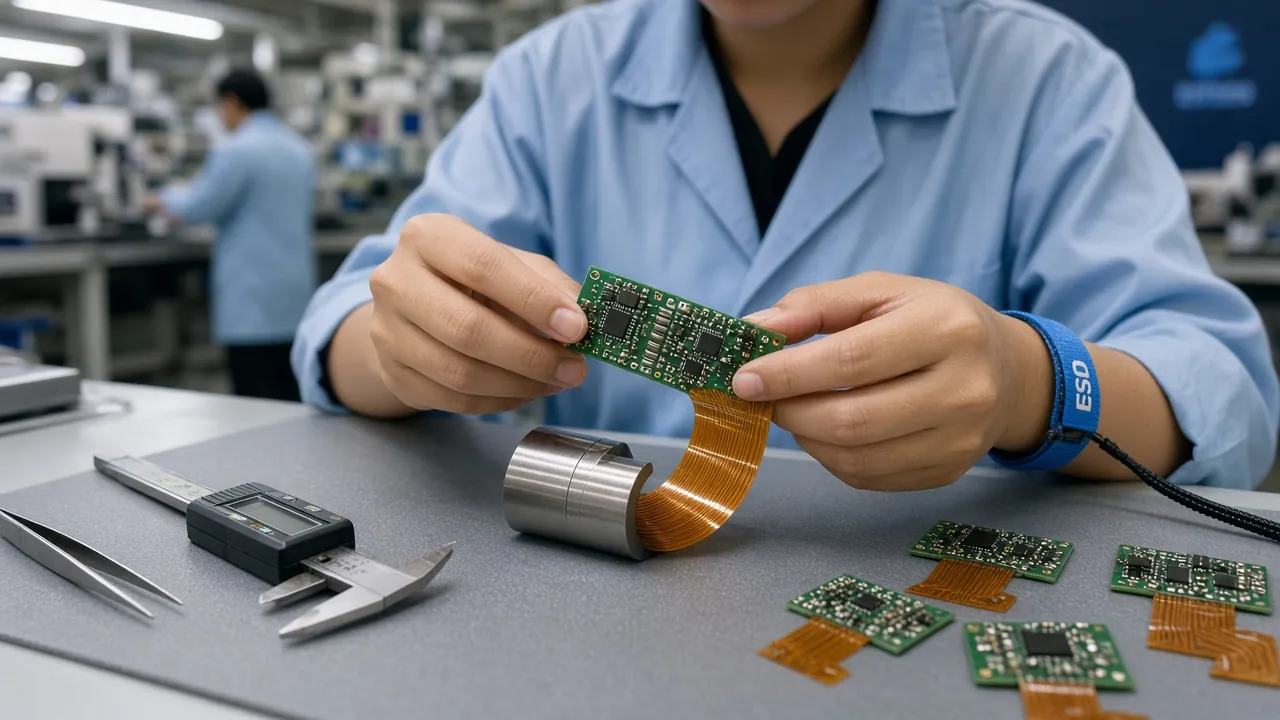
Design for Manufacturing (DFM) is a critical engineering practice that embeds manufacturing considerations into the product design phase. For hardware startups, mastering DFM for electronics isn't just an advantage—it's a foundational requirement for success, influencing everything from cost and quality to time-to-market.
The Core Pillars of DFM for Startups
A successful DFM strategy is built on a few core principles that are especially crucial for startups navigating the complexities of hardware production for the first time.
1. Strategic Component Selection
Your choice of components is the bedrock of your design. Prioritize parts that are readily available from multiple suppliers, have long production lifecycles, and are standardized across your product line to minimize supply chain risk and complexity.
2. PCB Layout for Manufacturability
An optimized PCB layout is essential for high-yield, low-cost assembly. This includes using standard component footprints, ensuring adequate spacing for automated equipment, and incorporating fiducial markers for precise machine alignment.
3. Design for Testability (DFT)
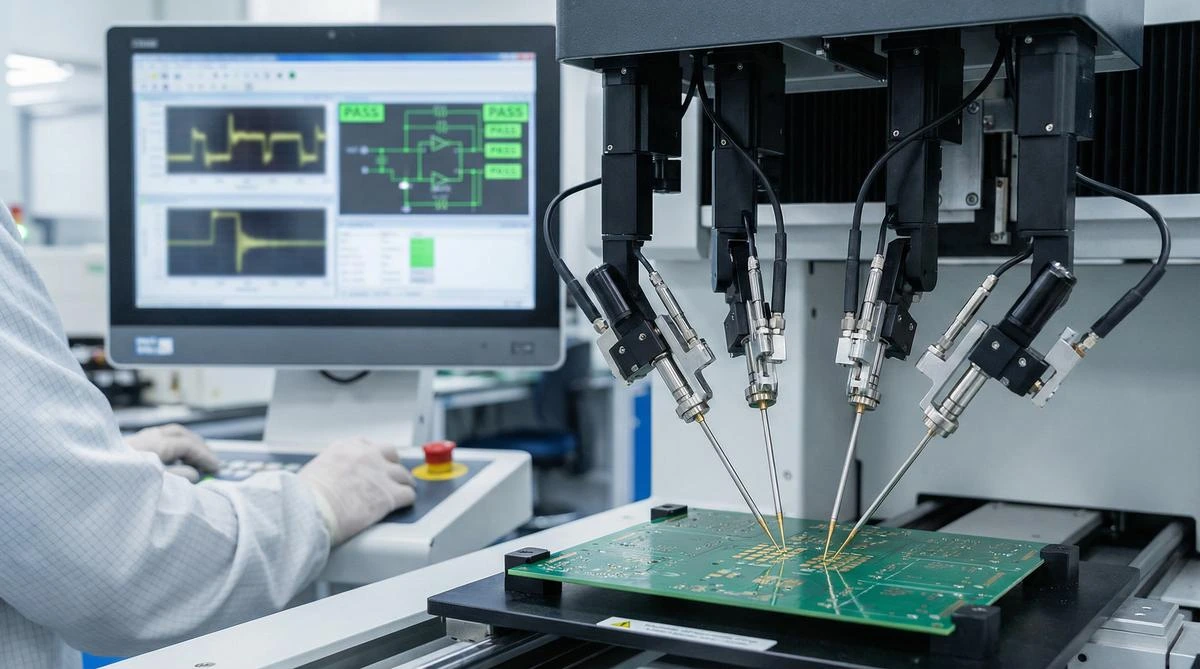
Integrate testing considerations from the very beginning. This means designing accessible test points, planning for in-circuit testing (ICT), and building in self-test routines to ensure every unit meets quality standards without costly manual intervention.
The DFM Mindset: A Startup Superpower
Embracing DFM early transforms it from a late-stage checklist into a competitive advantage. It forces a holistic view of product development where design, engineering, and manufacturing are deeply integrated, leading to a more robust, cost-effective, and scalable product.
Key DFM Areas for Hardware Innovators
Beyond the basics, several specific areas of DFM can have an outsized impact on a startup's success.
Mechanical & Enclosure Design
Ensure your physical enclosure is designed for simple, repeatable assembly. Consider factors like snap-fits versus screws, material selection, and tolerance analysis to prevent costly rework.
Thermal Management
Poor thermal design is a leading cause of field failures. Use DFM principles to plan for heat dissipation early, ensuring reliability without resorting to expensive, last-minute solutions like fans or oversized heatsinks.
Connector & Cable Strategy
Connectors and cables are common points of failure. Select robust, readily available options and ensure they are placed for easy access during assembly and for the end-user.
Firmware & Software Integration
Design your hardware to simplify firmware flashing and software testing. Include programming headers and status indicators (like LEDs) on your board to make debugging and validation faster and more efficient.
The most expensive mistake is the one you find on the production line. A robust DFM process is a startup's best insurance policy against catastrophic delays and budget overruns.Senior Manufacturing Engineer, Illuminious
Your DFM Launchpad
- Engage Early: Involve your manufacturing partner in the design process as early as possible. Their feedback is invaluable.
- Standardize Everything: From components to fasteners, standardization simplifies sourcing, assembly, and inventory management.
- Document Thoroughly: A comprehensive Bill of Materials (BOM) and detailed assembly instructions are non-negotiable.
- Design for Automation: Optimize your design for automated assembly to ensure scalability and consistent quality as you grow.