More than 40 AI hardware startups that debuted products at CES 2026 are now entering the critical NPI phase, competing for limited prototype and pilot-run capacity across Asia's manufacturing corridors. With AI wearables, edge computing devices, and smart home hardware flooding the pipeline, EMS providers are reporting lead times stretching 30-60% longer than Q4 2025, signaling a capacity crunch that could reshape the hardware startup landscape through late 2026.
Key Details
- CES 2026 Pipeline: Over 40 venture-backed AI hardware startups showcased products at CES, with an estimated $2.8B in combined pre-order and pipeline commitments requiring NPI execution
- Capacity Squeeze: EMS providers in Shenzhen and Dongguan report prototype lead times extending from 14 days to 22+ days, with pilot-run slots booking out through Q3 2026
- Investor Pressure: Hardware-focused VCs are requiring startups to present validated manufacturing partnerships before releasing Series A tranche payments
- Geographic Shift: Southeast Asian plants in Indonesia and Vietnam are absorbing overflow demand, with Batam's free trade zone seeing 35% inquiry growth from US-based startups
NPI Lead Time Crisis
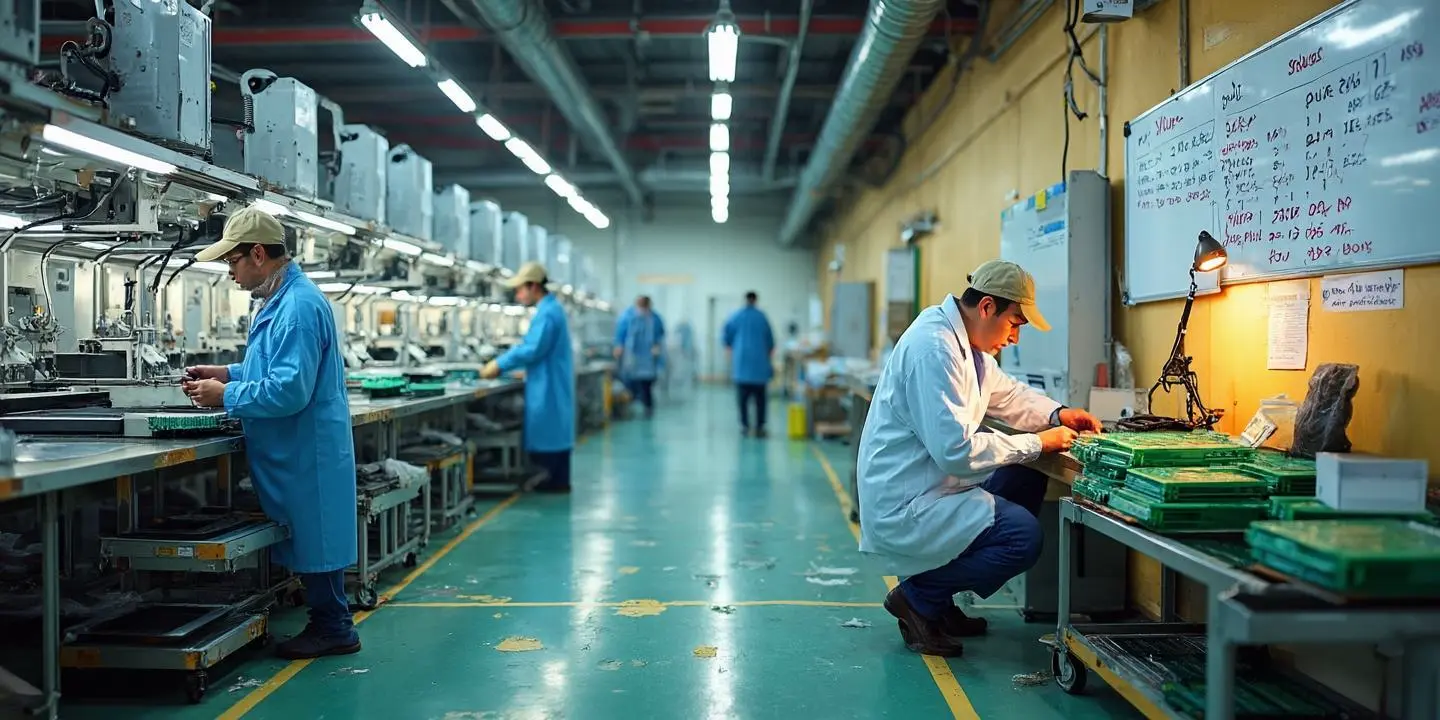
Traditional EMS providers are overwhelmed by AI hardware complexity — custom HDI boards, 01005 micro-components, and advanced packaging requirements are stretching engineering bandwidth thin across the industry.
MOQ Barriers
Many startups face minimum order quantities of 5,000+ units from tier-one EMS providers, forcing pre-revenue companies to commit capital before validating market demand — a risk investors increasingly reject.
Supply Chain Diversification
Tariff uncertainty and geopolitical risk are pushing startups to seek manufacturing partners outside mainland China, with Indonesia, Vietnam, and Malaysia emerging as preferred alternatives for AI hardware NPI.
Engineering Talent Gap
DFM expertise for AI hardware — including thermal management, RF layout, and edge AI module integration — remains concentrated in a handful of experienced NPI teams, creating bottlenecks at the design-to-production handoff.
— Angela Lee, COO at Illuminious"After CES, we see a clear pattern: brilliant hardware startups with great products that stall at the manufacturing gate. Our Startup Bridge Program exists precisely for this moment — removing MOQ barriers, compressing NPI timelines to 72 hours for prototype turnaround, and giving founders the manufacturing partner their investors want to see."
72h Prototype Turnaround
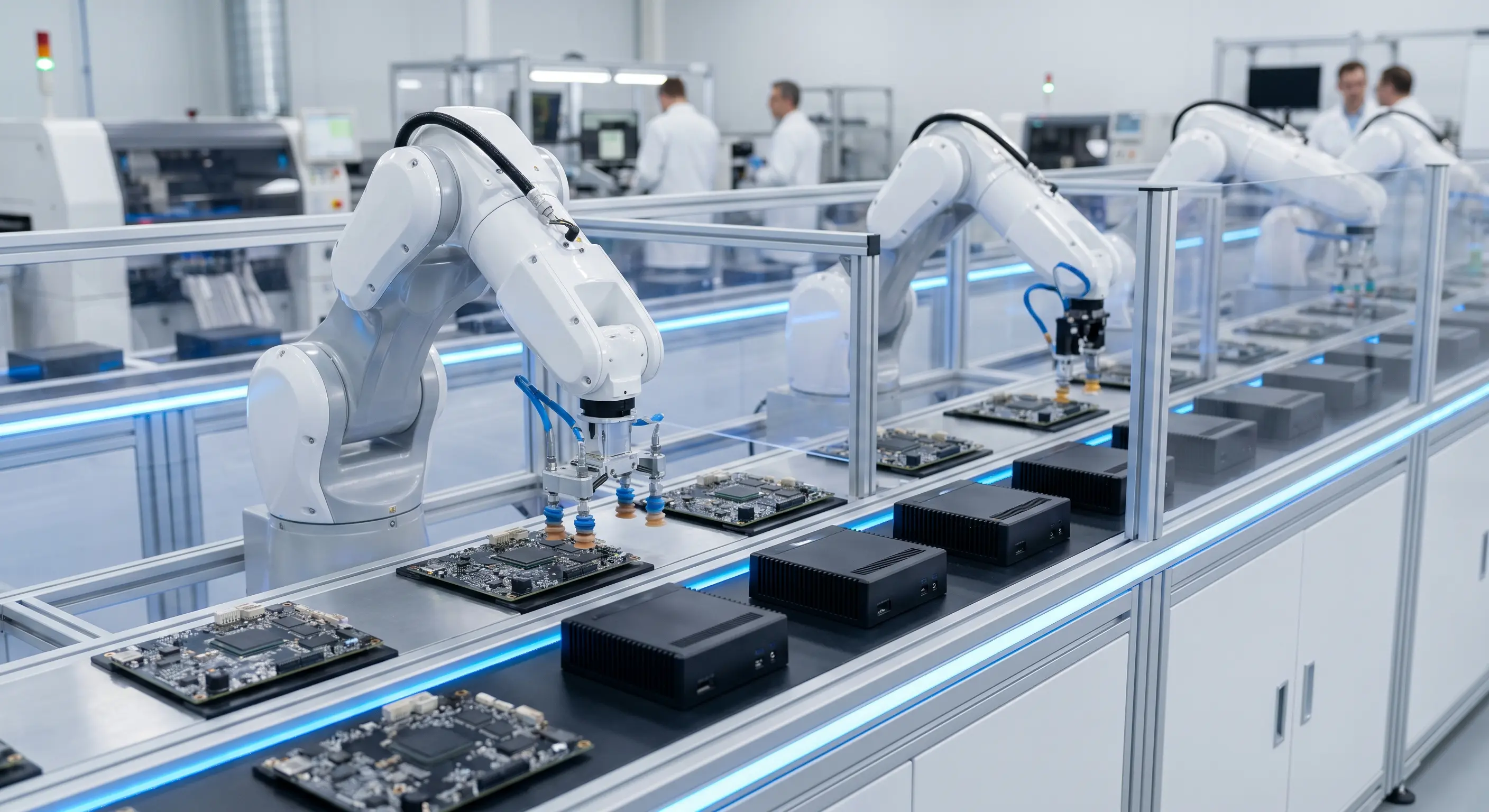
Rapid PCBA prototyping for AI hardware startups to validate designs and pitch investors with real hardware
No MOQ Policy
Startups can begin with as few as 100 units, preserving capital for product-market fit validation
Startup Bridge Program
Dedicated NPI engineering team with AI hardware expertise covering DFM review through volume ramp-up
Tariff-Advantaged Production
Batam free trade zone facility delivers 15-25% tariff savings for US and EU-bound hardware shipments
Full Quality Stack
AOI, X-ray, ICT, and functional testing ensure startup hardware meets enterprise-grade reliability standards
Investor-Ready Reporting
Transparent production dashboards and quality metrics that give investors confidence in manufacturing readiness
Scaling AI Hardware from CES Concept to Market Reality
The post-CES NPI capacity crunch is not a temporary bottleneck — it reflects a structural shift in the hardware ecosystem as AI capabilities move from cloud to edge. Startups that secure responsive manufacturing partnerships early will capture first-mover advantage in their categories, while those delayed by capacity constraints risk losing market windows entirely.
Explore how Illuminious Startup Bridge Program can accelerate your AI hardware NPI — from prototype to production in weeks, not months. Contact our NPI team →