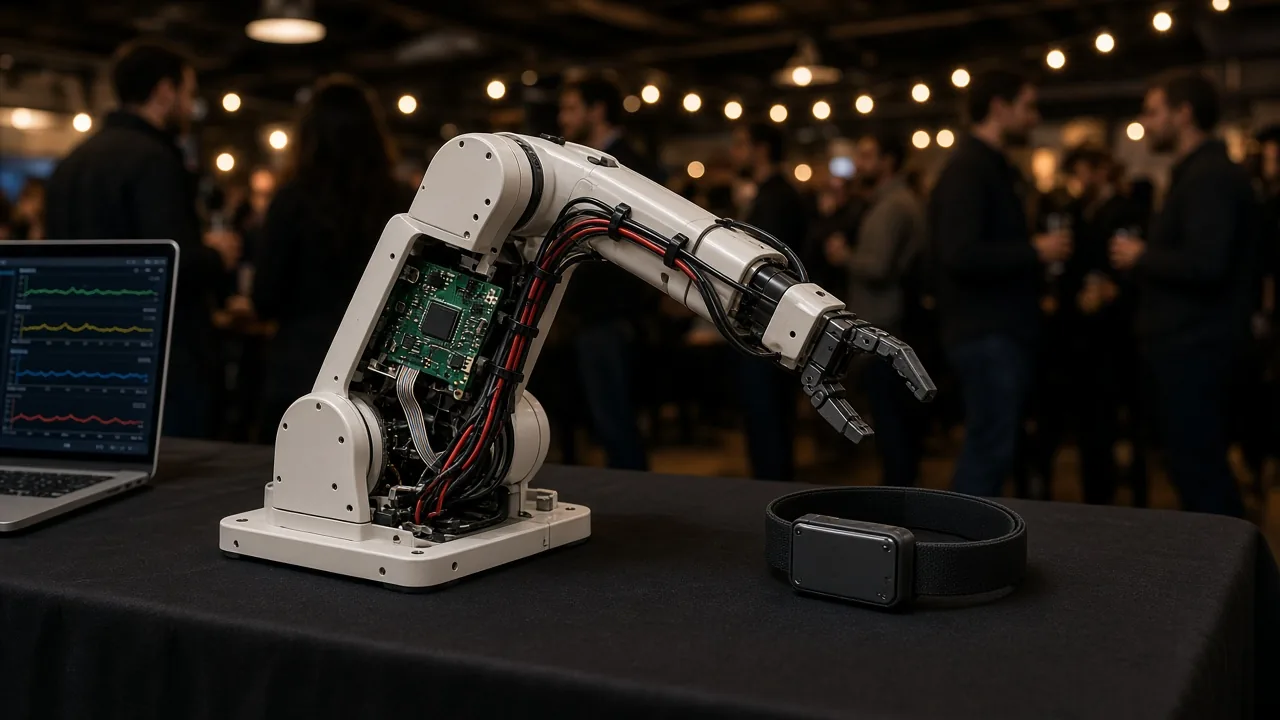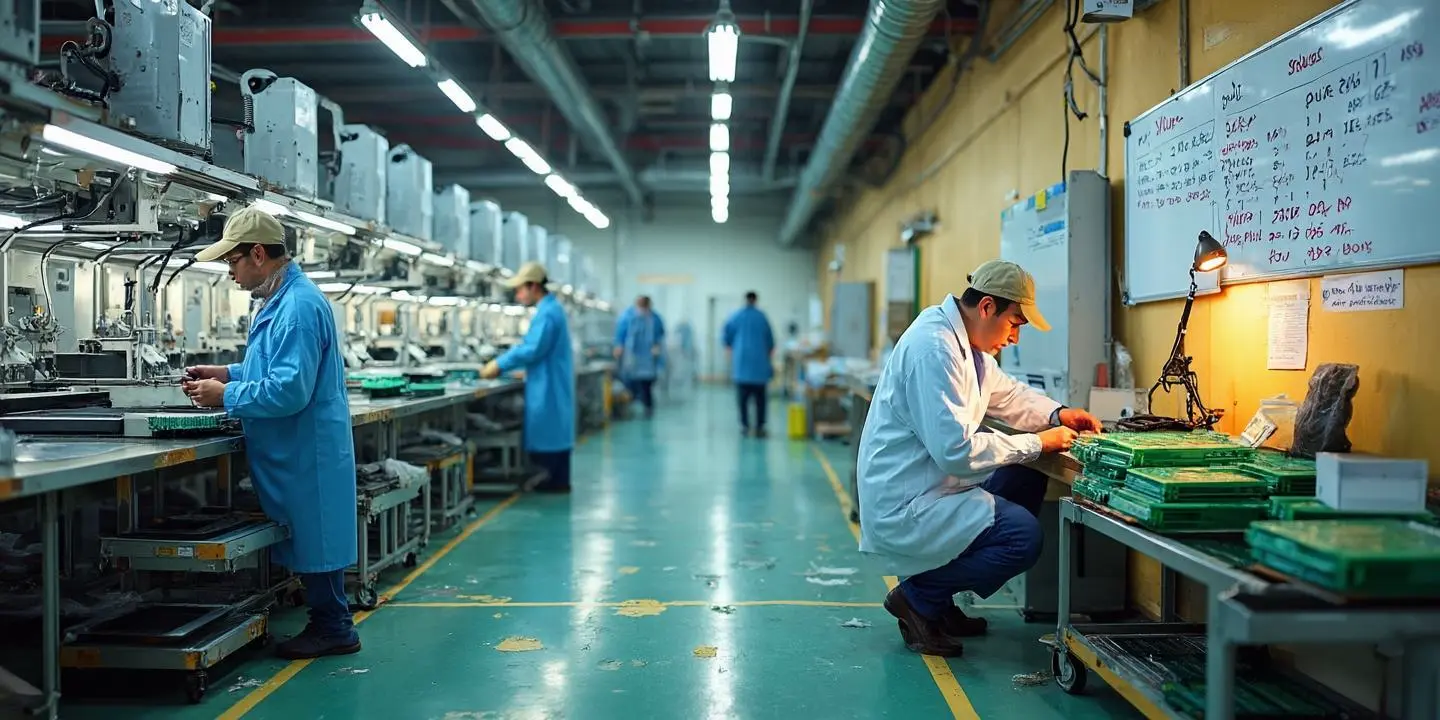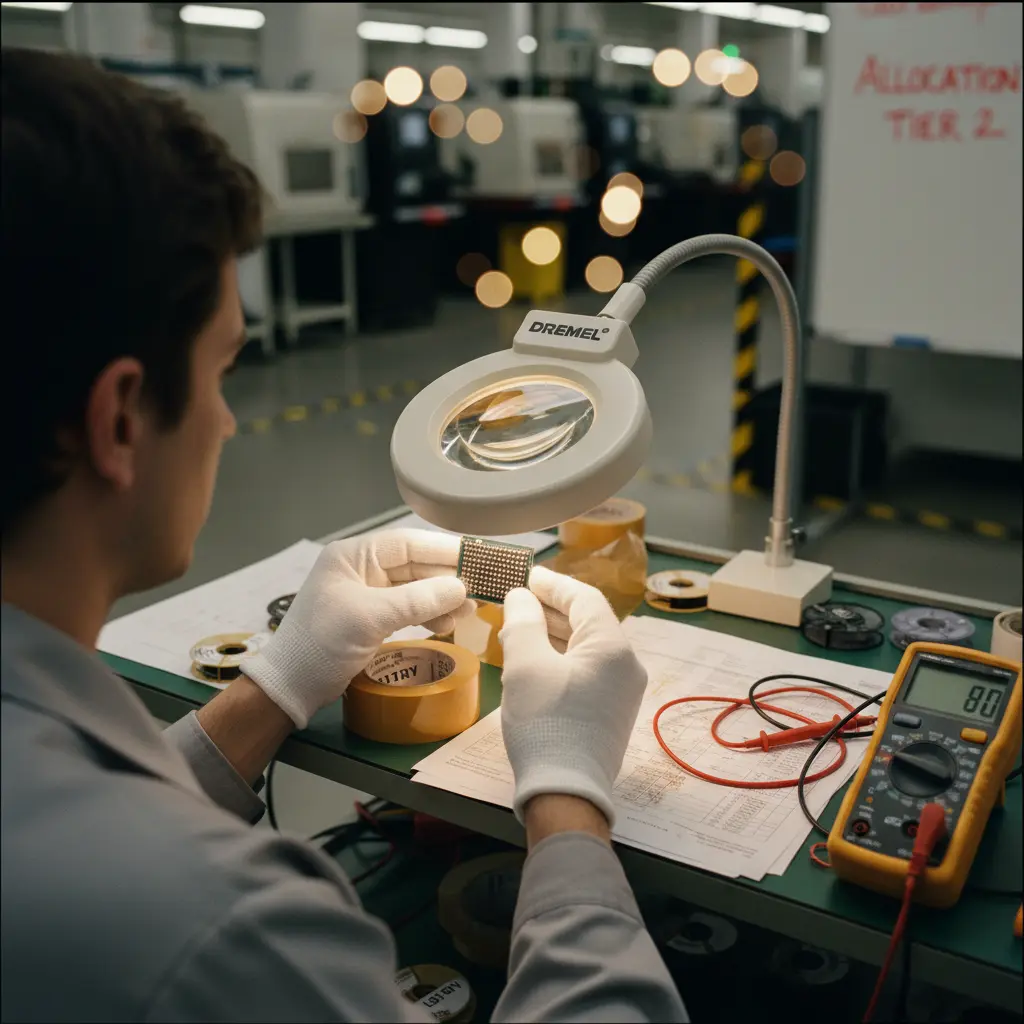
The global semiconductor allocation crisis of 2026 has hit edge AI hardware startups especially hard, with lead times for key SoCs from Qualcomm, Nvidia, and MediaTek stretching to 40+ weeks. As hyperscalers consume the majority of advanced-node capacity for data center AI training, startups building edge inference devices face a fundamentally different supply landscape — one where NPI engineering services must account for component scarcity from day one.
Key Details
- Lead Times Expanding: Edge AI SoCs now average 38-52 weeks allocation lead time, up from 18-24 weeks in mid-2025
- Hyperscaler Priority: Major cloud providers locked in 70%+ of TSMC 4nm capacity through Q1 2027
- Startup Impact: 43% of hardware startups report NPI delays of 3+ months due to component unavailability
- Cost Pressure: Gray market premiums on edge AI chips reaching 200-400% above list price
Flexible BOM Architecture
Startups are designing multi-vendor BOMs that accept pin-compatible alternatives from at least two sources. Qualcomm QCS8550, Nvidia Jetson Orin NX, and MediaTek Genio 700 are being cross-qualified on shared carrier boards to maintain production flexibility.
Multi-Source Qualification
Forward-thinking teams qualify three or more alternate components per critical BOM line during EVT, not DVT. This adds 2-3 weeks to validation but can save 12-16 weeks when allocation hits mid-production.
Early EMS Engagement
Partnering with EMS providers before schematic freeze gives startups allocation priority through the manufacturer's franchise distribution channels. First-to-commit wins the parts — and the production window.
Regional Supply Diversification
A U.S. + Shenzhen manufacturing strategy with multi-region sourcing enables startups to tap into regional allocation pools, avoiding single-source dependency and reducing tariff exposure.
— Ethan Yip, CTO at Illuminious"The startups that survive this allocation cycle are the ones that stopped treating supply chain as a procurement problem and started treating it as an engineering problem. Flexible BOM design isn't optional anymore — it's the difference between shipping in Q3 and missing the holiday window entirely."
Accelerated Design-For-Supply
BOM risk assessment integrated into schematic review from day one
Allocation Priority Access
EMS franchise channels unlock parts unavailable to direct-order startups
Parallel Qualification Tracks
Test multiple component sources simultaneously during EVT phase
Buffer Stock Programs
Strategic component buffer managed across three factory locations
Modular Hardware Architecture
Compute module separation enables SoC swaps without full board re-spin
Startup Bridge Program
Dedicated NPI support for early-stage hardware companies navigating allocation
Navigating the Shortage with the Right Manufacturing Partner
The 2026 edge AI chip shortage is reshaping how hardware startups approach new product introduction. Those who adapt — with flexible BOMs, multi-source strategies, and early EMS partnerships — will ship on time. Those who don't will wait in allocation queues while competitors capture market share.
Illuminious does initial development in the U.S. and builds in our own factory in Shenzhen, with dedicated component sourcing expertise and a Startup Bridge Program designed specifically for hardware startups navigating semiconductor allocation.